



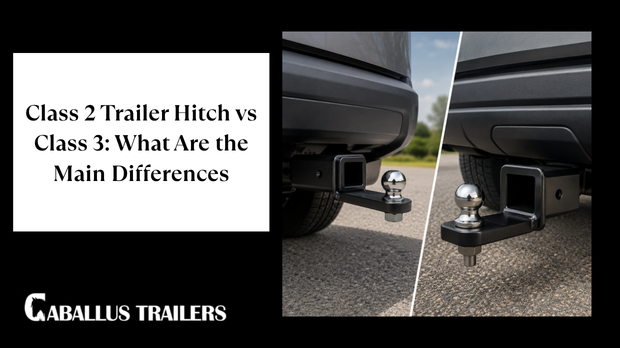
The best way to enhance your vehicle’s utility is to install a hitch, whether you own a sedan, an SUV or a pickup. Your weekend family trips are made extremely convenient with a hitch that offers benefits you didn’t imagine. While this might be true, which hitch should you be choosing, the class 2 or class 3?
Key Takeaways
- Your towing needs and vehicle type determine whether you need a Class 2 Trailer Hitch vs Class 3.
- Class 3 is meant to handle heavier loads, while Class 2 is for light-duty usage.
- Before you choose a hitch, check the towing capacity, size of the receiver and vehicle limits.
- Avoid safety risks when you overload, choose the wrong size or perform poor installation.
- Appropriate fit, safety and long-term performance of the towing setup are ensured with professional installation.
When you begin looking for options, choosing between class 2 and class 3 can be really confusing. They seem to look the same, but there’s an unseen difference in hauling power and application. If you choose the wrong hitch, it could cause a malfunction, pose a safety risk, and even damage your car.
What is a Trailer Hitch?
A heavy-duty metal fitting that lets you tow cargo, trailers, carriers or bike racks is a trailer hitch. This is the connection between the car and the object that you wish to tow. When done properly, it can be safe and effective. Most recent vehicles use a receiver hitch with a square-shaped hole to tow accessories. The transitions are quite simple: just connect the cargo carrier to the ball mount. Considered one of the most versatile choices, you can use the trailer hitch for occasional or regular towing needs.
Different hitches have varying capacities and are designed for specific loads. Some are meant for light-duty work, while others are for heavy-duty towing.
Before buying a trailer hitch, you must know the difference between a Class 2 Trailer Hitch vs Class 3 Trailer Hitch to make the right choice for your car.
Must Read: How to determine the carrying capacity of trailers?
The Class 2 Hitch
A lightweight Class 2 hitch is typically used on smaller SUVs, sedans, and crossovers. The receiver is about 1.25 inches and offers a middle-grade towing capacity of around 3,500 pounds. It is ideal for everyday use when you need to tow small trailers and cargo carriers without straining your car. The Class 2 hitch can be easily installed, is extremely flexible, and requires few tools. Additionally, the installation does not require any alterations either.
If you want to install a Class 2 Trailer Hitch, check with experts at Caballus Trailers first.
The Class 3 Hitch
Meant for heavy-duty towing, the Class 3 Hitch is used in large vehicles like trucks, SUVs and more. The 2-inch receiver’s towing capacity extends up to 8,000 pounds and can haul campers, boats and large utility trailers. Built for power and adaptability, it can carry more than a Class 2 hitch can. With higher weight-bearing capacity and reduced weight on the car due to the associated tongue weight, the Class 3 hitch enhances overall towing capability.
Difference between the Class 2 Trailer Hitch vs Class 3
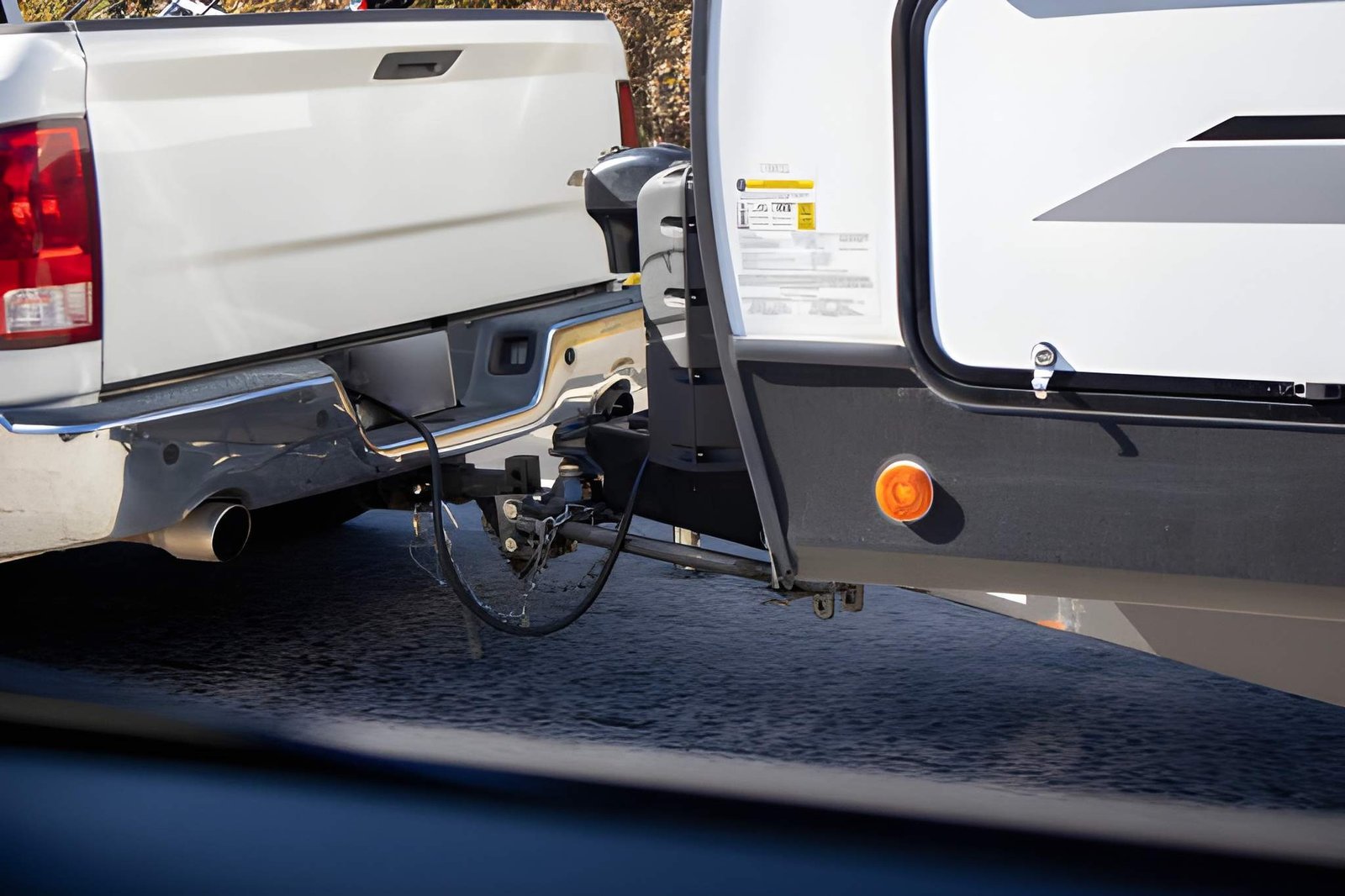
The main differences between these two hitches are the size of their receivers, towing capacity, vehicle compatibility, and durability. Here are the key variances.
Receiver
One of the primary differences between the hitches is the receiver. The Class 2 hitch has a 1.25-inch receiver, while Class 3 hitches are equipped with a 2-inch receiver. The smaller one tows lightweight objects, while the larger one handles heavy-duty towing.
Note: The heavier towing equipment is always more stable and offers greater flexibility.
Towing Capacity
A vital difference between the hitches, the Class 2 typically supports a maximum weight of about 3,500 pounds. It can tow small trailers, weekend camping equipment or lightweight boats. The Class 3 hitch has a maximum towing capacity of 8,000 pounds and is used in heavy-duty activities. Do not place weights greater than what the Class 2 hitch can handle. It might overload your vehicle, causing it to sway and break the hitch. Assess the type of road you are going to travel, long, straight or hilly, and then choose your hitch.
Vehicle Compatibility
Small sedans, crossovers and SUVs typically apply Class 2 hitches because they are lighter and do not affect the ride. The smaller Class 2 is also compatible with handling and fuel efficiency for smaller vehicles. If you have a full-size SUV, a truck, or a heavier car, it is best to use a Class 3 hitch designed to handle the pressure and weight of larger loads. You will experience less swaying, better towing and more comfort when you choose a compatible hitch for your vehicle.
With Caballus Trailers
Remember that a Class 3 hitch is a high-quality investment for heavy-duty towing. It all depends on the trailer you choose. For instance, if you are getting a 5×10 Cargo Trailer from us, then it is best to install a Class 3 2-inch hitch for better towing.
FAQs
Q1. How can I enhance a vehicle’s utility?
Get a Class 2 or Class 3 hitch to instantly enhance your vehicle’s capabilities.
Q2. Can I attach any hitch to my vehicle?
No. If you have a smaller car, choose the Class 2 hitch for lightweight towing. Otherwise, for larger vehicles, choose Class 3.
Q3. What are the towing capacities of Class 2 and Class 3 hitches?
The Class 2 hitch comes with a towing capacity of 3,500 pounds, while the Class 3 hitch has a capacity of 8,000 pounds.
Q4. What kind of receiver do the Class 2 and Class 3 have?
The Class 2 hitch has a 1.25-inch receiver, and the Class 3 hitch has a 2-inch receiver.
Q5. How do I know which hitch to purchase?
Speak to experts at Caballus Trailers for comprehensive guidance.
About Author:

Leave a Reply