



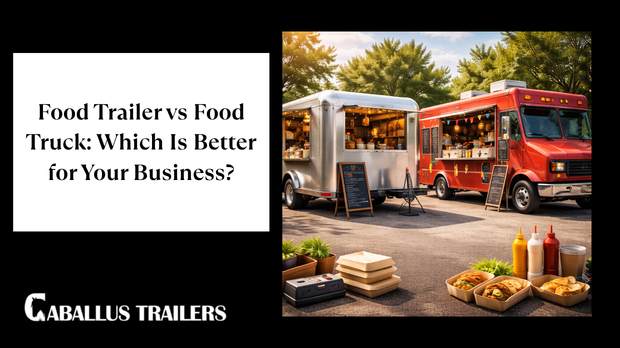
Starting a mobile food business is one of the most practical ways to enter the food industry without the heavy costs of a traditional restaurant. But before anything else, there’s one big decision to make—should you invest in a trailer or go for a truck? The debate around food trailer vs food truck isn’t just about preference; it directly affects your budget, operations, and long-term growth.
Both the options can be considered profitable, but they both serve different types of entrepreneurs. Understanding how they are compared in real-world situations will help you make a wise decision that actually works for your business model.
The Key Differences
At a basic level, a food truck is a self-contained vehicle with a built-in kitchen. A food trailer, on the other hand is towed by another vehicle and functions as a separate unit.
This difference might seem small, but it changes how you operate every day—from mobility to setup to cost.
Cost Comparison: Where Most Decisions Begin
For most people entering the food business, cost is the deciding factor.
A food trailer is generally more affordable upfront. You are not paying for an engine or drivetrain, which significantly reduces the initial investment. This makes it an attractive option for those who are starting with a limited capital.
Food trucks, however, come with higher costs due to the vehicle itself, engine maintenance, and fuel consumption. While they offer convenience, that convenience comes at a price.
If your goal is to start lean and scale gradually, a mobile food trailer often makes more financial sense.
Mobility and Flexibility
Food trucks are easier to move quickly from ine place to another . Since everything is in one unit, you can relocate without needing another vehicle. This is ideal for businesses that frequently change locations or participate in multiple events in a day.
Food trailers require a towing vehicle , which adds an extra step in it . However, once parked, they offer more flexibility in setup. You can unhitch and leave the trailer at a location while using your vehicle for other purposes.
This can be especially useful for longer events, fairs or fixed-location operations.
Space and Layout
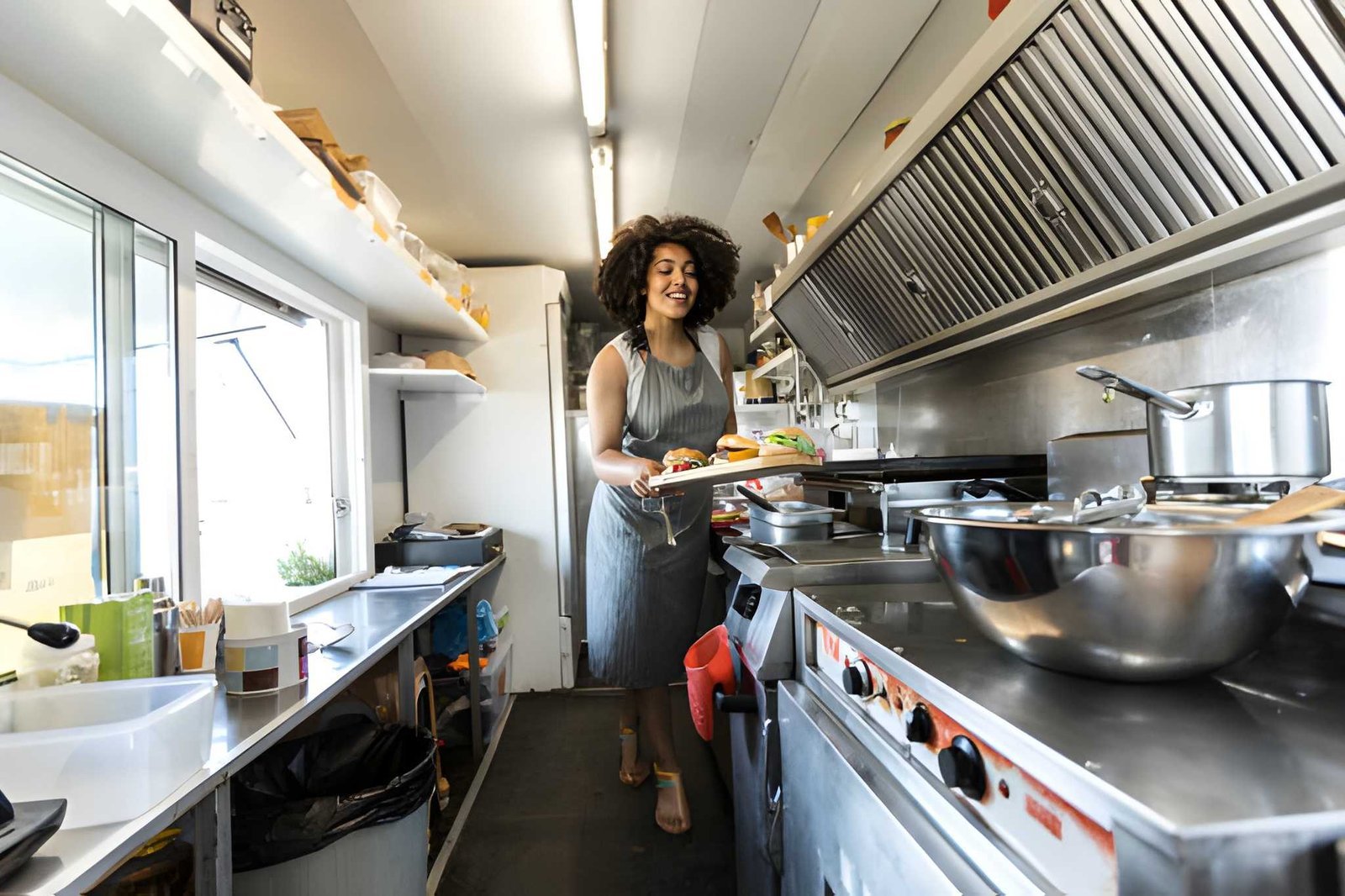
One of the biggest advantages of trailers is space. Without the limitations of a driver’s cabin, trailers often provide more usable room for kitchen equipment, storage, and staff movement.
Food trucks, while compact and efficient, can feel cramped—especially during busy hours.
If your menu requires multiple cooking stations or larger equipment, a trailer setup gives you more room to work comfortably.
Maintenance and Repairs
Maintenance is often overlooked when making a decision, but it plays a major role in long-term costs.
Food trucks require regular vehicle servicing, engine repairs, and fuel expenses. If the truck breaks down, your entire business is temporarily halted.
With a trailer, the situation is completely different. Since it doesn’t have an engine, maintenance is simpler and usually is less expensive. If your towing vehicle needs repairs, your trailer can still remain operational at a fixed location.
Working with a reliable trailer dealer in North Carolina can also help ensure you get a well-built unit that minimizes maintenance issues from the start.
Also Read: Mobile Kitchen Trailer: Setup, Design & Cost Guide
Setup and Daily Operations
Food trucks are quicker to set up. You park, open the service window, and start working.
Food trailers take a bit more time. You need to position the trailer, stabilize it, and connect utilities if required. While this adds a few extra minutes, it’s not a deal-breaker for most operators.
In fact, many business owners prefer trailers for longer events where setup time becomes less of a concern.
Licensing and Regulations
Regulations vary by state and city, but the trailers often have slightly simpler requirements compared to food trucks.
Food trucks are classified as motor vehicles, which means they must meet transportation regulations in addition to the food safety standards.
Trailers, while still regulated, may have fewer compliance hurdles depending on the local laws.
Before deciding, it’s always wise to check the specific requirements in your operating area.
Branding and Customer Experience
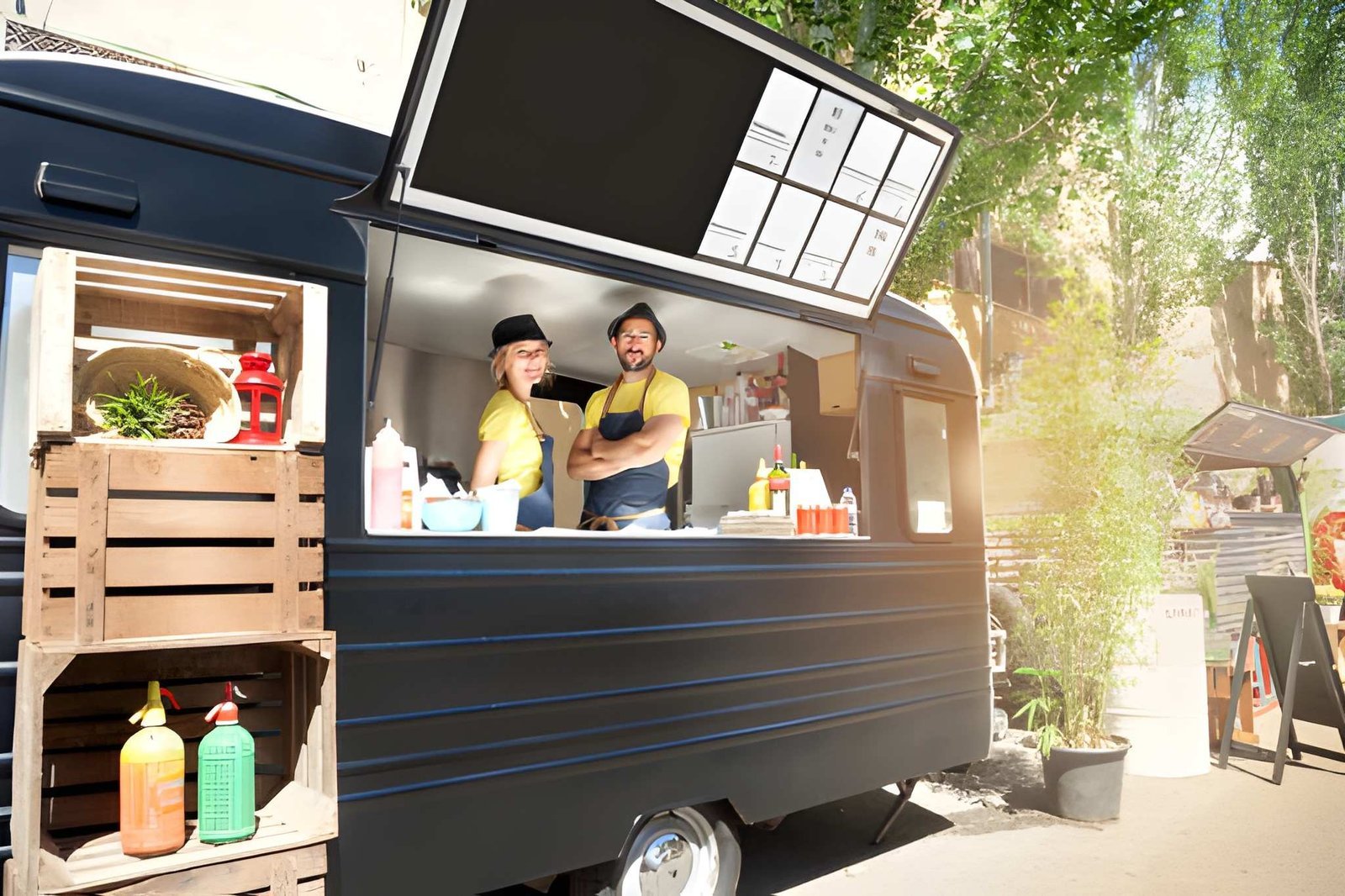
Food trucks often have an edge when it comes to branding. Their compact, all-in-one design makes them visually appealing and easy to recognize.
However, trailers offer more surface area for branding, signage, and customization. You can create a strong visual presence that stands out at events or roadside locations.
Customer experience depends more on your service and food quality than the type of vehicle—but presentation still matters.
Also Read: Top 10 Features To Look For In A Mobile Kitchen Trailer
Scalability and Business Growth
If you’re planning to expand in the future, trailers offer more flexibility.
You can add multiple units without investing in multiple vehicles. This allows you to operate at different locations simultaneously while also keeping the costs manageable.
Food trucks, while efficient, require a separate vehicle for each unit, which increases expenses as you scale. For entrepreneurs thinking for a long-term, trailers often provide a more practical growth path.
Versatility Beyond Food
Another advantage of trailers is their versatility. They’re not limited to food businesses. Many owners use them for events, catering, or even non-food ventures.
Options like utility trailers for sale in north carolina can also support logistics, equipment transport, or additional business needs.
This flexibility adds extra value to your investment.
Which Option Is Right for You?
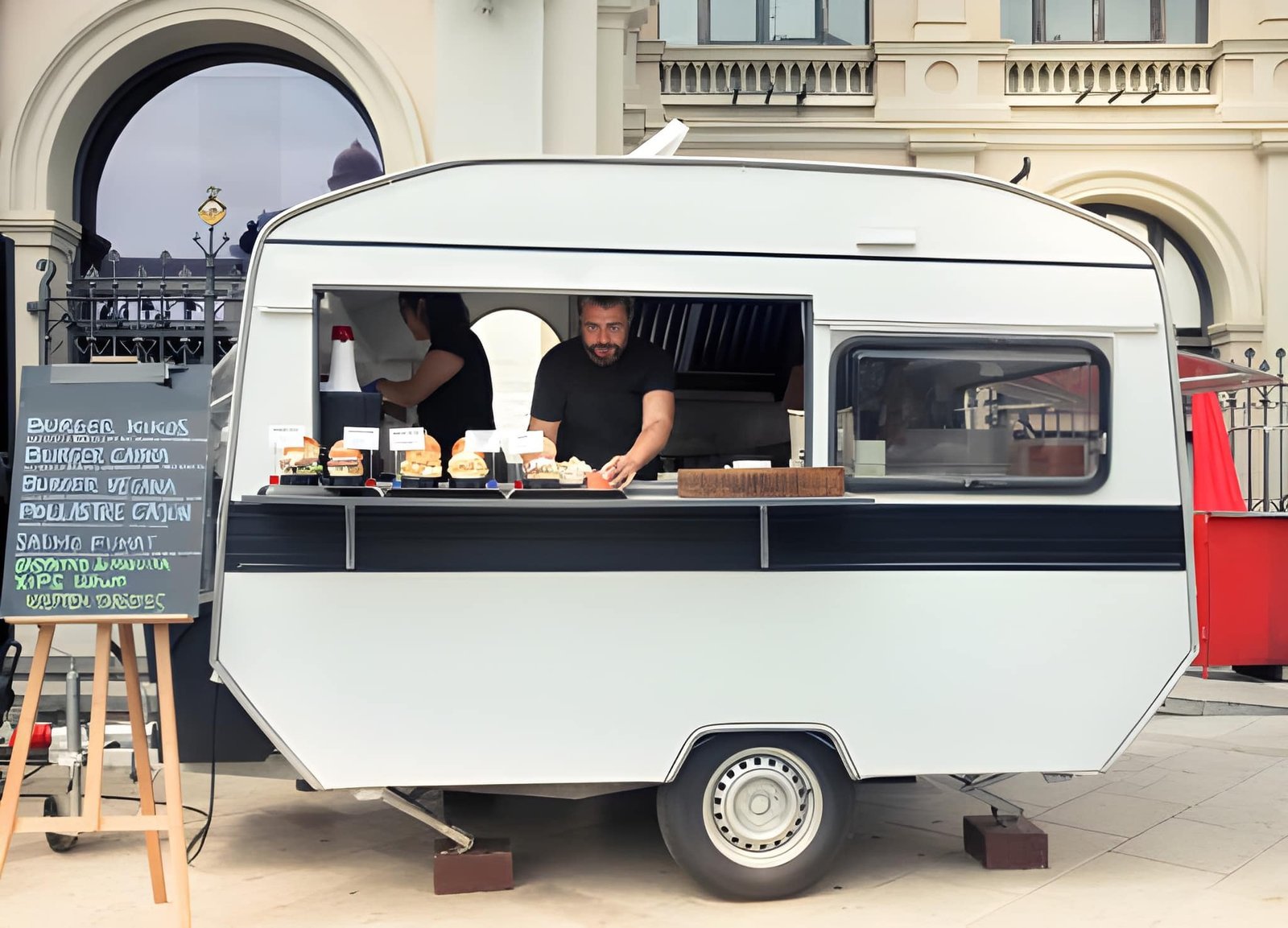
The choice between a food trailer and a food truck depends on your priorities.
If you value lower startup costs, more space, and easier maintenance, a trailer is likely the better option.
If mobility, quick setup, and an all-in-one system are more important, a food truck might suit your needs.
There’s no universal answer—only what works best for your business model, budget, and long-term goals.
Final Thoughts
The decision between a trailer and a truck shapes on how your business operates every day. It affects your costs, workflow and ability to grow.
Understanding the real differences not just on the surface-level helps you avoid costly mistakes and choose a setup that supports your vision.
Take your time, evaluate your needs, and invest in a solution that aligns with how you plan to run your business.
FAQs
1. Which is better for starting a food business in North Carolina, a food trailer or a food truck?
For most beginners in North Carolina, a food trailer is more cost-effective and easier to maintain hence making it a practical starting option.
2. What is the main difference between a food trailer vs food truck?
A food truck is a self-driven vehicle, while a food trailer needs to be towed and offers more space for kitchen operations.
3. Are mobile food trailers profitable in North Carolina?
Yes, a mobile food trailer can be highly profitable due to lower startup costs and flexible operating locations.
4. Where can I find a reliable trailer dealer in North Carolina?
You can connect with a trusted trailer dealer north carolina to explore quality options and get professional guidance.
5. Do food trailers require less maintenance than food trucks?
Yes, trailers typically require less maintenance since they do not have engines or any complex mechanical systems.
6. Can I expand my business faster with a food trailer?
Yes, trailers allow you to add multiple units without buying multiple vehicles, making expansion more affordable.
7. Are there utility trailers for sale in North Carolina for business use?
Yes, there are many utility trailers for sale in north carolina that can support transport and additional business needs.
8. Is it easier to operate a food truck or a food trailer daily?
Food trucks are quicker to set up, but trailers offer more space and flexibility for longer operations.
About Author:

Leave a Reply