



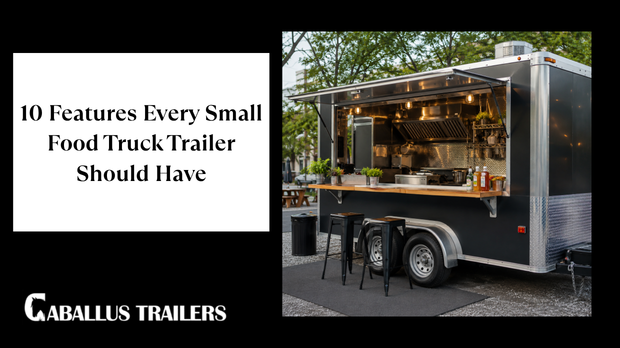
It’s definitely exciting to start a food business on wheels. A food truck trailer gives you the freedom of movement, allowing you to serve customers across various locations, and it also involves lower startup costs. It is extremely important that you choose the right food truck trailer to seamlessly run your business and avoid costly repairs and upgrades in the future. Before you buy a kitchen on wheels, understand its requirements to invest wisely. Save money, time, and stress by knowing the features that matter most for your small food truck trailer, whether you are launching a new concept or upgrading your current setup.
Here are the top 10 features you must look for to make a calculated decision that can impact your entire business.
1. Size and Layout
The overall size and layout of the trailer should support your equipment, staff, and menu. Your employees should be able to prep, cook and serve comfortably. This requires a well-planned layout, which can minimize costly delays and improve safety. If your staff have to move around often and cross paths, they could experience spills and burns that not only cause waste but also pose a slip-and-fall hazard. That is why, when choosing the size, you should think of your busy hours and whether you want your trailer to accommodate more than one person. This way, you don’t have to upgrade urgently, and the right size supports your business growth.
2. Materials Used In Construction
One of the core elements of the food truck trailer is its build. Durability and reliability are important factors of longevity. The trailer should be able to handle heat, moisture and heavy equipment. Which means these must be made of food-grade materials and stainless steel walls (for instance) that are easy to clean and resist corrosion. Floors must be non-slip and resistant to water damage. Proper insulation must be used to maintain temperature and minimize energy usage. A good build will always provide long-term value and absolute peace of mind.
3. Compliance
One of the most critical features of the mobile food truck is that it must meet local health and fire safety requirements before you begin operations. Install fire suppression systems, appropriate sinks, handwashing stations, and ventilation. Ensure that electric and gas installations meet all safety requirements. Check local regulations so that you get the right trailer for your needs. A non-compliant trailer will not be approved and will require costly modifications.
4. Systems and Power
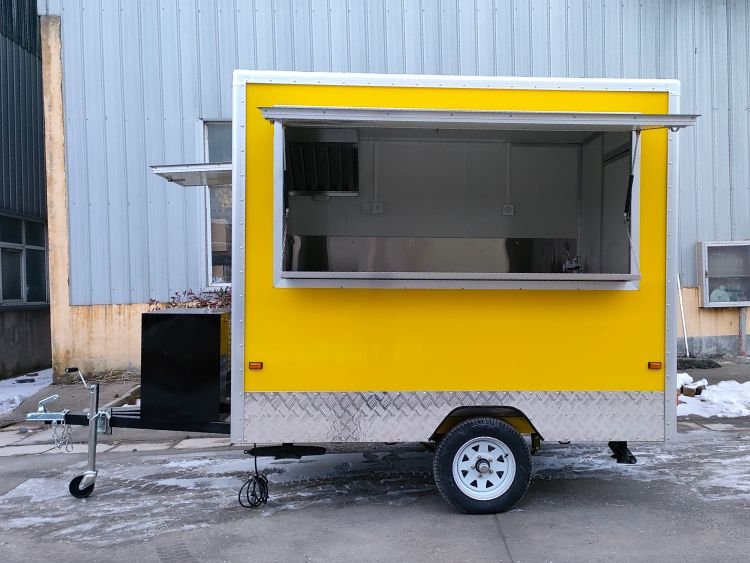
One of the most important features of the mobile kitchen, which buyers often tend to overlook, is the electrical system. Trailers can run on generators or use shared power, and many apply both. Appropriate wiring and circuit protection must be used alongside professional-grade electric systems and outlets in the right places. Equipment could fail during service if the power system is weak. Smooth operations with minimal downtime are only possible with a robust electrical setup.
5. Water and Plumbing
Include freshwater tanks and an abundant supply of hot water. One of the most important features of the small food truck trailer is that you must install a tank sized to match your daily usage. Avoid frequent refills and dumps with a small water tank. Get stable water pressure and ensure drains are working efficiently. The plumbing system must be reliable, safe, compliant and support staff productivity during long service hours.
Must Read: Food Trailer vs Food Truck: Understanding the Core Differences
6. Ventilation
Exhaust and ventilation are safety protocols that must be imperatively included in the small food truck. This is because cooking produces heat and smoke and accumulates grease, all of which have to be addressed frequently. A commercial-grade exhaust must be present to keep temperatures manageable and improve air quality. Add another layer of safety with fire suppression systems. A proper ventilation system with good airflow protects staff, equipment, and food quality and contributes to the safety and comfort of your trailer operations.
7. Equipment and Customization
Get a trailer that suits your cooking style. Besides, the equipment you use must be part of a smart mobile trailer, which primarily epitomizes intelligent interaction. The trailer must have, along with the right appliances, enough power, space and ventilation. The presence of grills, ovens, refrigeration units and fryers can cause temperatures to rise. If you think any one of these elements cannot be accommodated in your trailer, choose customization. Make your setup flexible so your business can scale in the future.
8. Mobility
A mobile kitchen must be easy and safe to move. Which means, it should possess great braking systems, axle strength and weight balance. The trailer must include appropriate weight distribution and carrying capacity, and be compatible with towing. Driving and movement can become dangerous with poor weight distribution, increasing wear and tear on your vehicle. Towing features must also be available so that you can move your trailer around to various locations. Pay attention to both safety on the road and in the kitchen.
9. Storage
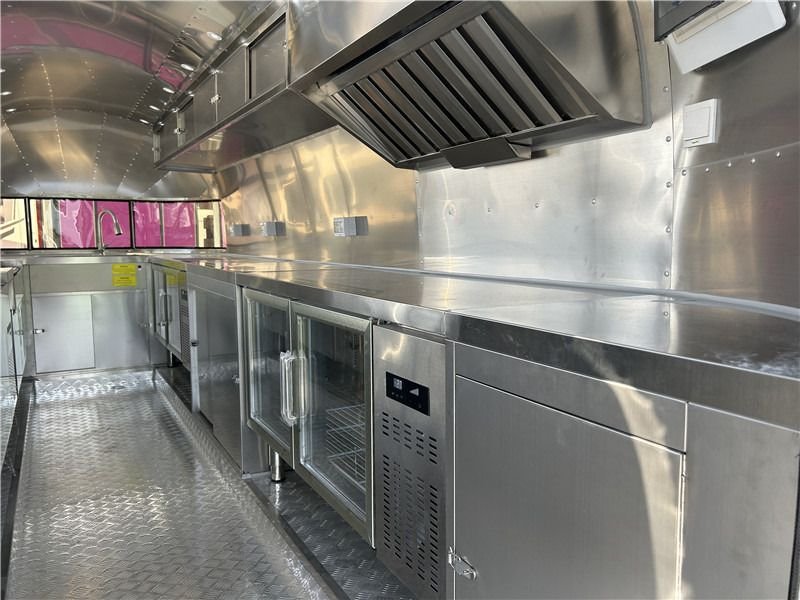
Refrigeration and storage are often underestimated but important parts of a food trailer. Packaging, food ingredients, cleaning supplies and even personal items require storage space, and items with a lower shelf life require refrigeration. Size your storage requirements according to your menu’s volume. Poor storage can lead to unwanted clutter, food waste, and slower service. Incorporate a smart storage design to improve efficiency and organize your kitchen, even on a busy day.
10. Branding
If you think you can ignore the trailer’s exterior, then you are in for a surprise. This is where your branding and advertising come into play. Your marketing display should be clean and attractive so that customers can identify, recognize, and recall your business. Give enough space for lighting, signage and even menu boards to add value. The marketing setup should also help your future growth and support your business in the long term.
Table of Features
| Feature Area | Why It Matters | What to Look For? |
| Size and Layout | Smooth workflow and safety | Adequate space for staff and equipment |
| Build Quality | Long-term durability | Stainless steel and sealed flooring |
| Compliance | Legal operation | Health and fire approvals |
| Electrical System | Equipment reliability | Generator and shore power support |
| Plumbing | Hygiene and efficiency | Proper tank size and hot water |
| Ventilation | Safety and comfort | Commercial exhaust hood |
| Equipment Fit | Menu flexibility | Custom layout options |
| Mobility | Road safety | Balanced weight and strong brakes |
| Storage | Organization | Dry and cold storage capacity |
| Branding | Customer recall | Clean exterior and signage space |
Conclusion
A small food truck trailer is more than price and appearance. It should be the right combination of safety, efficiency and scalability. When you understand these requirements, you will invest constructively in a vehicle that is compliant, focuses on quality and is practically designed to suit a food business setup. It is important to research and plan for a reliable food trailer.
FAQs
Q1. Which features of a small food truck trailer should beginners incorporate first?
Beginners must include features such as layout, power and compliance to prevent legal issues and improve operational workflow.
Q2. How do I ensure that my food trailer is compliant with local regulations?
Before you buy your trailer, check with local authorities and fire departments for guidelines and confirm the requirements to avoid costly upgrades later.
Q3. When required, can I upgrade the food truck trailer?
Of course you can. While layout, plumbing, and electrical systems can be hard to replace, other features can be easily upgraded.
Q4. Does my food trailer really require a lot of interior space?
If your menu is simple and small, you don’t need much space. Alternatively, if it is complex, it definitely requires much more space to accommodate peak service times.
Q5. Are tailor-made food trailers worth it?
Of course. You will experience improved efficiency, better performance, long-term success and future scalability with a custom-made food trailer.
About Author:

Leave a Reply