



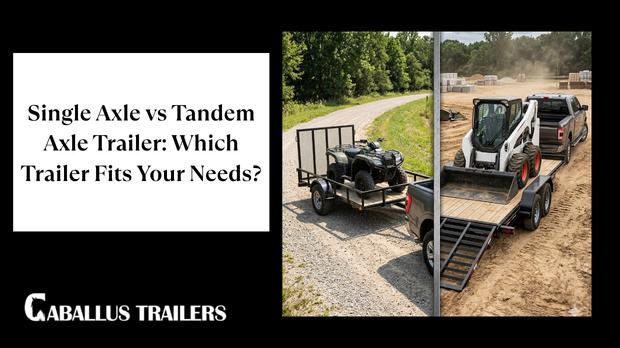
You won’t be alone if you have ever asked yourself the above question when you were in the middle of a trailer lot, it is evident. One of the more often asked questions of those that are buying and ruling on trailers for the first time, as well as those that already have an understanding of the industry and are experienced haulers is the single axle vs tandem axle trailer debate. To be honest, it isn’t a one-size fits all answer, it also relies on what you’re transporting, the frequency you move it and where you move it.
Let’s analyse it all simply, no big words.
What Is a Single Axle Trailer?
As the name suggests, a single axle trailer is the trailer with a single axle, and has two wheels on each end of it. They are lighter in weight, easy to maneuver and are usually more affordable than their counterparts.
Single axle trailers will typically load and transport these types of loads:
- Power tools and garden machinery
- Small ATVs or motorcycles are not ok.
- Light furniture and household items.
- Small boats or PWC’s.
For occasionally loading and unloading with lighter loads, a single axle for small load sturdy trailer might be the correct choice. They are also easier to maintain, easier to back up into confined spaces and they will cost less front row up — buying and registration.
What Is a Tandem Axle Trailer?
A tandem axle trailer has 2 axles and will have 4 wheels on the ground. This results in a much greater safe load capacity, increased stability and a much better ride with high-speed travel if heavy loads or unevenly shaped loads are being transported.
The turning point of tandem axle trailers are designed for:
- Excavators, skid steers, and other heavy machinery such as skids
- Several cars or big and loud ATVs
- Materials and supplies for building works.
- Large boats or RVs
- Companies that regularly remove whole loads of landscaping materials.Regular landscaping material removal companies with loads to cart around.
If loading goes heavy, you’ll find that having a tandem axle truck trailer provides you with some peace of mind that you can possibly not discover in a single axle. This way, the extra set of wheels will have a more equal load distribution ensuring that your trailer frame and tow vehicle won’t suffer as much.
Single Axle vs Tandem Axle Trailer: The Key Differences
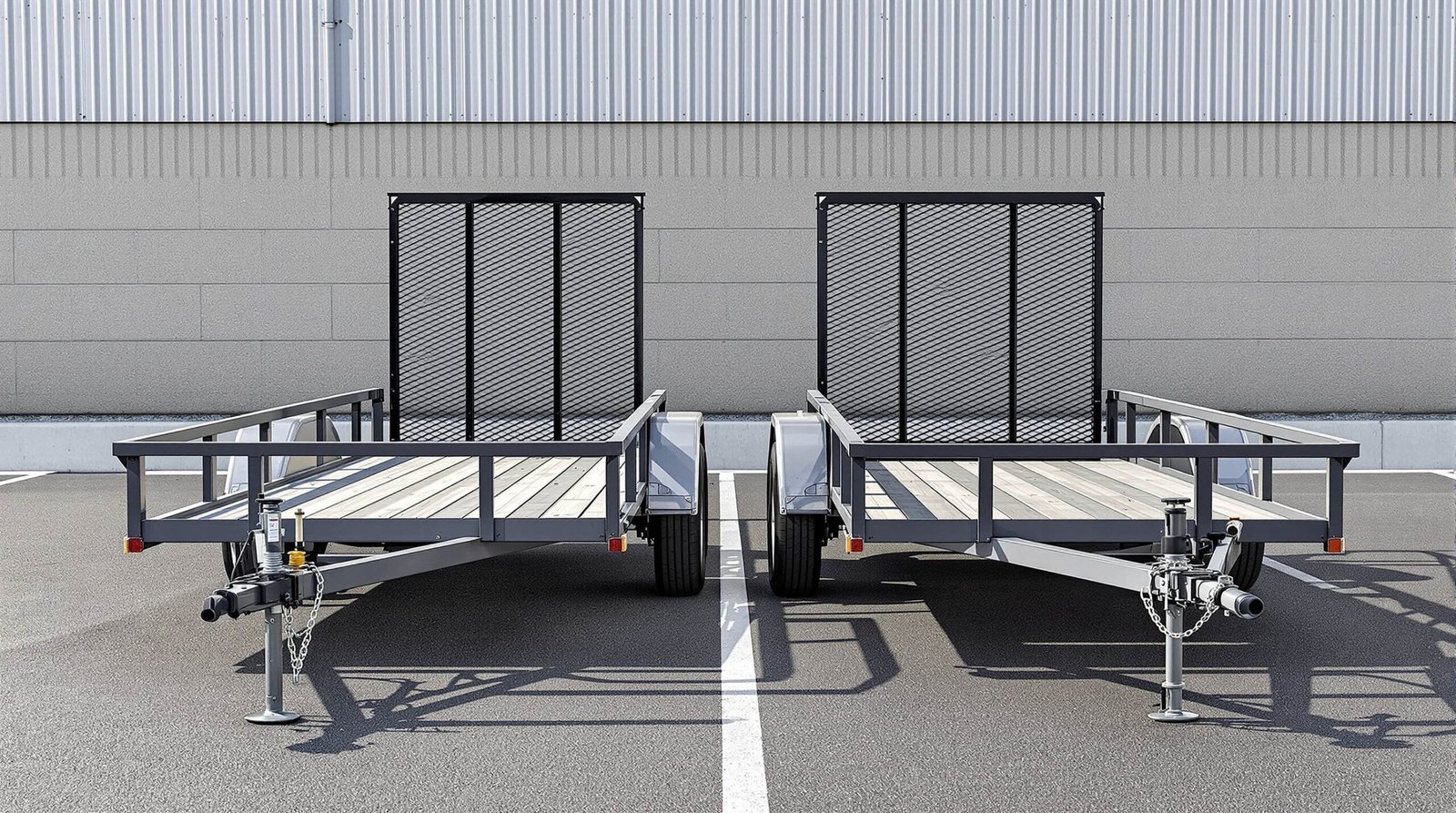
With the definitions out of the way, let’s start delving into the main subject of this article – single axle vs tandem axle trailer! The biggest difference, however, has to do with the following:
1. Load Capacity
It’s the most important aspect for many purchasers. Capacity for a typical single axle trailer varies from 1,000lbs to however many you chose with a build. A tandem axle trailer, however, may be able to transport 7,000 to 14,000 lbs or more. When your loads are getting close to 5,000 lbs, tandem is the way to proceed… there’s an easy “no brainer” about it.
2. Stability and Safety
Tandem trailers more easily handle dirt, snow and icy roads, and also ride smoother and are considerably more stable at highway speeds. Two axles to reduce the trailer sway and weight distribution. Everyone has witnessed at least once a trailer toppling owing to the pushing of one axle beyond its comfort level on a highway. So when you’re shipping large or bulky goods, that stability difference is quick to become tangible and urgent.
3. Maneuverability
The single axle trailer comes in handy here. Shorter, lighter and much easier to back up into tight job sites, narrow driveways, or storage areas. This additional agility becomes important when you’re transporting a lot of heavy materials in an urban or residential setting.
4. Tire Wear and Maintenance
Single axle trailers are simpler – there are fewer tires, fewer brakes and fewer bearings to take care of. For one tyre drop, however, with a single axle, this is a very bad situation. Adds a natural safety buffer—a tandem axle trailer will prevent the trailer and its remaining 3 tires from dragging on the road if one tire comes off.
5. Cost
Single axle trailers are less costly to purchase, register and keep up. While tandem axle trailers are a bit more expensive to buy, most of the time they’re worth it because they last longer and will carry more weight — which means they’re definitely worth the investment for businesses or frequent usage.
Must Read: Trailer GVWR vs GAWR: Which Weight Rating Matters More?
Which One Should You Actually Choose?
This is where it starts to get personal. Well, it really depends on your situation as to which utility trailer axle setup you want to use. The answer is this – imagine it like that:
Go with a single axle trailer if:
- You never overload trailers with more than 5,000 lbs on them.
- Occasionally, hauling is at times not everyday
- You’re going to need someone who can fit the car into the carport window.They will require easy movability in confined areas.
- The cost of the process is one of the major issues that concern the budget.
- There is limitations on storage space.
Go with a tandem axle trailer if:
- You frequently move more than 5,000 lbs
- Drive on city/highway highways at high speeds regularly
- Resilience and capacity are essential to your business.
- For long-distance transports, you’ll need the added safety margin.
- When it comes to what you have to transport, load stability is not something that can be compromised.
If you exceed the weights, you’ll notice a difference between the single and tandem axle trailer performance. For lighter loads, infrequent use – one axle is fine, but if continuously using up its load, you are creating unnecessary stress on your frame, the hitch and your tow vehicle.
Real-World Scenarios: Matching the Trailer to the Task
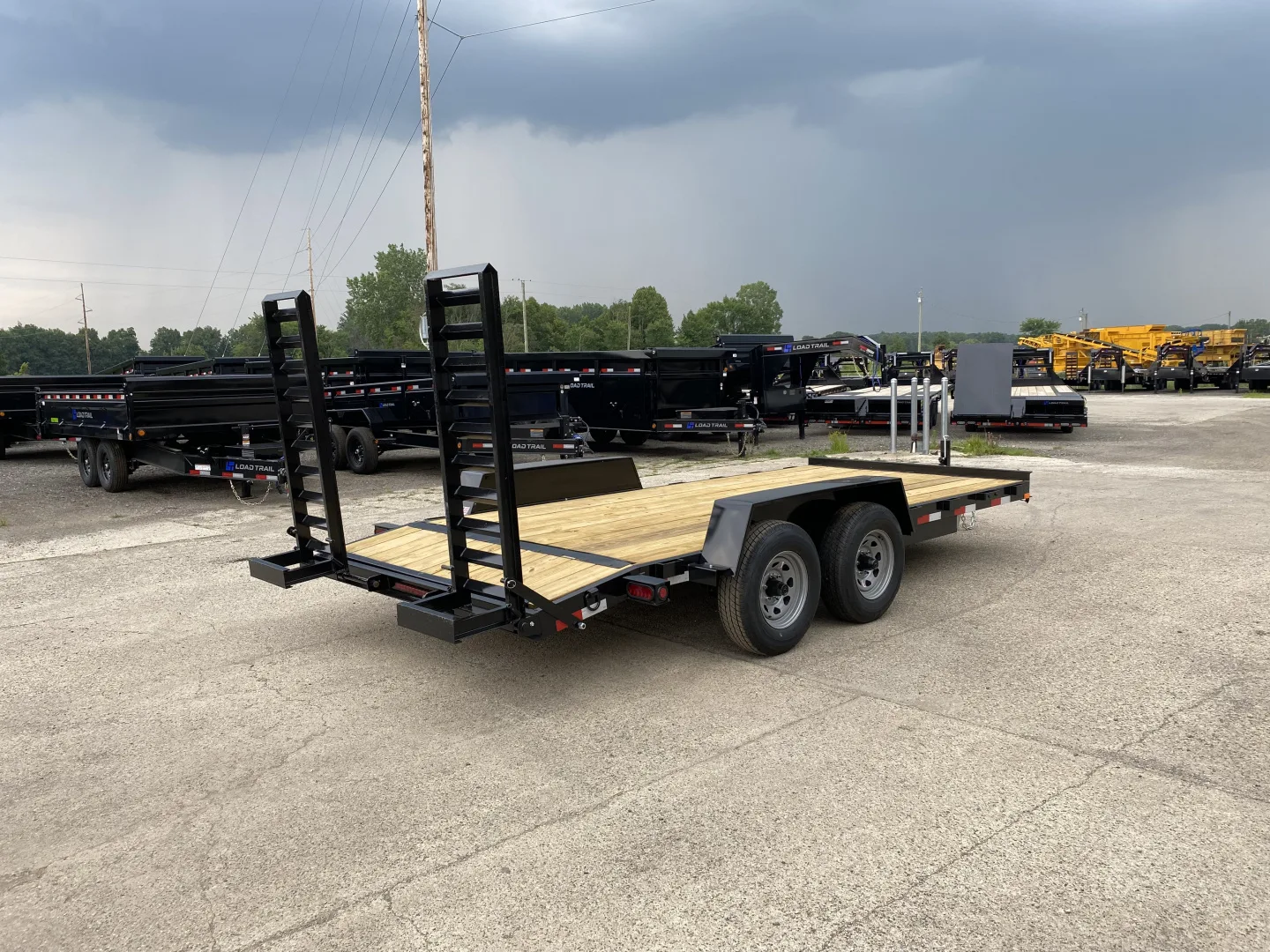
Now let’s grab some examples of this in real life.
1. The Weekend Warrior:
You have an ATV, some basic hand tools and probably have a riding mower. Hauls trip to a nearby campsite or around town twice per month. This works for a single axle trailer. It’s inexpensive, convenient and does not require much brain power.
2. The Landscaping Pro:
You’re running a crew, loading up zero-turn mowers, equipment, and mulch bags every single morning. You need a tandem axle trailer – the load capacity, durability, and daily reliability are worth every extra dollar you spend upfront.
3. The Boat Owner:
This one will be dependent on the boat. A small jon boat or fishing boat? Single axle will be fine. Big ships of more than 3 part loads? If tandem axle trailer support is really necessary for the weight load and the stability on the highway, it’s a great idea.
4. The Contractor:
When you’re towing machinery, tools, building materials regularly, it is more of a tandem choice. James, the payload and stability is not an option when work relies on you making an entire delivery trip to get in there.
A Note on Tow Vehicle Compatibility
When making either decision, first check the ratings of your tow truck. You have a truck or SUV with a towing capacity limit and TOWING’S IS NOT FORGOTTEN! If you’re transporting a full load behind a half ton truck, you’re putting your truck in an awkward position that may lead to damage.A tandem axel trailer with a full load can easily be towed by a half ton truck in a dangerous manner, which can cause damage to the truck. You can’t just adapt your trailer to the one you have at hand; you need to make sure the setup is suitable for your vehicle.
Tongue weight is also a factor to consider. The heavier the tandem axle trailer the more tongue weight will be applied to your hitch and the way your tow vehicle drives on the road will be impacted. When upgrading the trailer, include upgrading the hitch class.
Final Thoughts
The main considerations of single axle vs tandem axle trailer are the amount being hauled, frequency of hauling, and stability and safety requirements in the particular application.
Single axle trailers are wonderful tools — they are specially light, economical, and able to handle with a treat the right jobs. The tandem axle trailer is a workhorse designed to perform big jobs, regular service, and to carry more weight. There isn’t any one that’s definitely better than another. The correct one will be the one that you need.
Consider your everyday loads, towing vehicle, finances, and then determine how regularly you need to haul the trailer. After that, you will have a better understanding of the options when selecting a single axle versus tandem axle trailer. However, do not under-invest or over-invest: having a properly sized trailer turns every load easier, safer and more efficient.
FAQs
Q1. The difference between a single axle and a tandem axle trailer is what?
The single axle is an axle with only one wheel and two axles with only four wheels is a tandem axle. The tandem trailer is used for heavier loads and is more stable than the single axle trailer, which is easier to maneuver and lighter in weight.
Q2. How much weight can be carried by the single axle trailer?
Typically, a single axle trailer will range anywhere from 1,000 to 5,000 lbs upon its construction, with the vast majority of them being in the mid range. Before loading the trailer ensure that the capacity of it is not exceeded in order to prevent the safe limit or damage of the trailer structure.
Q3. Is a tandem axle trailer harder to back up and park?
Yes, tandem axles have a longer wheelbase making them a little narrower to maneuver, but not a lot. Most drivers will adapt quickly when driving these actually don’t cause much problems in most situations once practice is gained in.
Q4. Which trailer type would you prefer to drive on a highway?
Tandem axle trailers are more suited to use on the highway. With four wheels on ground, there is less sway, better load distribution and a more controlled and stable ride – particularly when transporting heavy or unevenly distributed loads at high speeds.
Q5. Does the additional expense justify the tandem axle trailers?
Yes for hauling heavy loads frequently or business owners. Overall, tandem trailers are a wise long-term investment that proves to be not only durable but also an excellent source of peace of mind, thanks to the added stability, increased payload and safety margin.
About Author:

Leave a Reply