




If you’ve ever stood at a racetrack early in the morning, you know the truth: the race trailer matters almost as much as the vehicle inside it. Cars break. Engines need tuning. Tires need swapping. And all of that happens in or around the trailer.
Yet most people shopping for race trailers start with the wrong question:
“How big should it be?”
The better question is:
“What does my racing setup actually need?”
Let’s break it all down- no hype, no sales talk- just practical, hard-earned knowledge about race trailers, from someone who’s seen what works and what absolutely doesn’t.
What Is a Race Trailer?
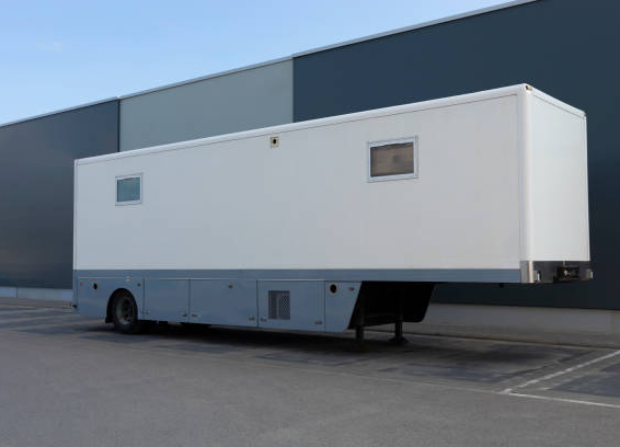
At its core, a race trailer is a purpose-built enclosed trailer designed to transport race cars, motorcycles, ATVs, or karts- along with tools, spares, fuel, and sometimes even people.
But in the real world, it’s more than transport.
A race trailer is:
- A mobile garage
- A storage unit
- A workshop
- Sometimes a sleeping space
- And often the command center on race day
That’s why choosing the right race trailer is less about looks and more about function.
Types of Race Trailers
Not all race trailers are built for the same job. Here are the most common types- and who they’re best for.
1. Enclosed Race Trailers
This is the most popular choice, and for good reason.
Best for:
- Car racing
- Dirt track, drag racing, road racing
- Long-distance hauling
Why people choose them:
- Weather protection
- Security for expensive equipment
- Room for tool cabinets, workbenches, and spares
If you race regularly, an enclosed race trailer isn’t a luxury- it’s a necessity.
2. Gooseneck Race Trailers

These are the big boys.
Best for:
- Professional or semi-professional teams
- Multi-car setups
- Teams that live out of the trailer
Pros:
- Better stability at highway speeds
- More interior space
- Often includes living quarters
Cons:
- Requires a capable tow vehicle
- Higher cost
If racing is more than a weekend hobby, a gooseneck race trailer makes life easier.
3. Bumper Pull Race Trailers
These are more common for entry-level or weekend racers.
Best for:
- Single-car setups
- Smaller teams
- Limited tow capacity
They’re easier to tow and cheaper- but interior layout matters a lot here.
Race Trailer Sizes: Bigger Isn’t Always Better
This is where many buyers make mistakes.
Common Sizes:
- 16–18 ft: Motorcycles, karts, compact race cars
- 20–24 ft: Most single-car race setups
- 28–32 ft+: Multi-car or full team setups
Pro tip:
Think about what you’ll add in the next 2–3 years, not just what you own today. Tires, toolboxes, generators, and spare parts eat space fast.
Interior Features That Actually Matter

Forget flashy lighting for a second. These features are what separate a good race trailer from a frustrating one.
Flooring
- Aluminum tread plate or heavy-duty rubber coin flooring
- Easy to clean after oil spills and tire dust
Tie-Down System
- D-rings or E-track (E-track gives flexibility)
- Poor tie-down placement is a safety nightmare
Workbench & Cabinets
- Secure storage saves time at the track
- Loose tools = wasted time + damaged gear
Electrical Setup
- Interior LED lighting
- Shore power hookup
- Generator prep if you race off-grid
Ventilation
- Roof vents and side vents
- Critical if you carry fuel or run equipment inside
Living Quarters: Do You Need Them?
Living quarters in race trailers are becoming more common- but they’re not for everyone.
Good idea if you:
- Travel long distances
- Race multiple days in a row
- Want to save on hotels
Not necessary if you:
- Race locally
- Only attend day events
Remember: living quarters add weight, cost, and complexity.
Axles, Frame & Build Quality
This is where my “trailer expert” side kicks in hard.
Frame Thickness
- Heavier frames last longer
- Thin frames flex- and flex leads to cracks
Axles
- Tandem axles are standard for race trailers
- Triple axles for heavier setups
Brakes
- Electric brakes on both axles
- Never compromise here
A race trailer is only as strong as what you don’t see at first glance.
Common Race Trailer Mistakes to Avoid
I’ve seen all of these- multiple times.
- Buying too small
- Ignoring tongue weight and tow ratings
- Skipping ventilation
- Underestimating the tool and spare storage
- Choosing looks over build quality
A good-looking trailer that fails mid-season costs more in the long run.
New vs Used Race Trailers
Buying New
- Custom layouts
- Warranty
- Higher upfront cost
Buying Used
- Lower price
- Immediate availability
- Inspect thoroughly for frame damage, axle wear, and water leaks
Used race trailers can be great, but only if you know what to inspect.
How to Choose the Right Race Trailer for You
Before you buy, answer these honestly:
- What do I race?
- How often do I race?
- How far do I travel?
- How much equipment do I carry?
- What vehicle am I towing with?
When those answers are clear, the right race trailer becomes obvious.
Final Thoughts
A race trailer isn’t just a purchase- it’s an investment in your racing experience.
The right race trailer:
- Saves time
- Reduces stress
- Protects your equipment
- Makes race weekends smoother
Choose wisely, and your trailer will work for you- not against you- for years.
About Author:

Leave a Reply