



The transport sector is at a crossroads. The era of diesel-fuelled trucks on the roads is now coming to an end, but for now it is still long way down the road. The future of electric trucks isn’t far off: It’s happening now and accelerating at a pace that many expected would be even faster, if not faster altogether, in 2026. Electric trucks are changing the game from long-haul freight to the last-mile delivery and could give a new twist to the way goods travel across the nation and into the world.
As a fleet owner, logistics professional or just an individual who wants cleaner roads and reduced fuel expenses, it is vital to understand what you can expect. This blog shares the essential influences on the electric trucking future and how they impact business and consumers.
What Does it Mean for 2026 to be a Tipping Point for Electric Trucks?
In 2026 there are a number of trends that are happening simultaneously. There’s been an improvement in technology; there’s been an expansion of charging infrastructure; right now, government mandates in the key markets in the United States, in Europe, in China, are driving fleet operators to go to zero. Innovation, but also necessity, is in part shaping the future of electric trucks.
The key factors earning 2026 a turning point are:
- Reducing emissions throughout the USA, the E.U., and China become stricter.
- Higher diesel prices leading to an increase in the competitiveness of electric.Electric’s becoming more competitive due to higher diesel fuel prices.
- Sustainability commitments by corporate partners in logistics are robust.Corporate commitments in logistics are strong.
- A major decrease in battery manufacturing costs during the previous 3 years
- Increasingly, there are models of purpose-built electric trucks available from established mass producers.There are more models of purpose-built electric trucks available from established mass producers as this becomes more widely available.
Electric semi-trucks are massive orders already placed by a number of large logistics firms, and small- and medium-scale operators are beginning to lag behind.Upfront costs have been dropping and total cost of ownership is becoming competitive with diesel, and much as that many companies are placing huge orders for electric semis, smaller companies are following suit.
The Rise of Electric Semi-Trucks
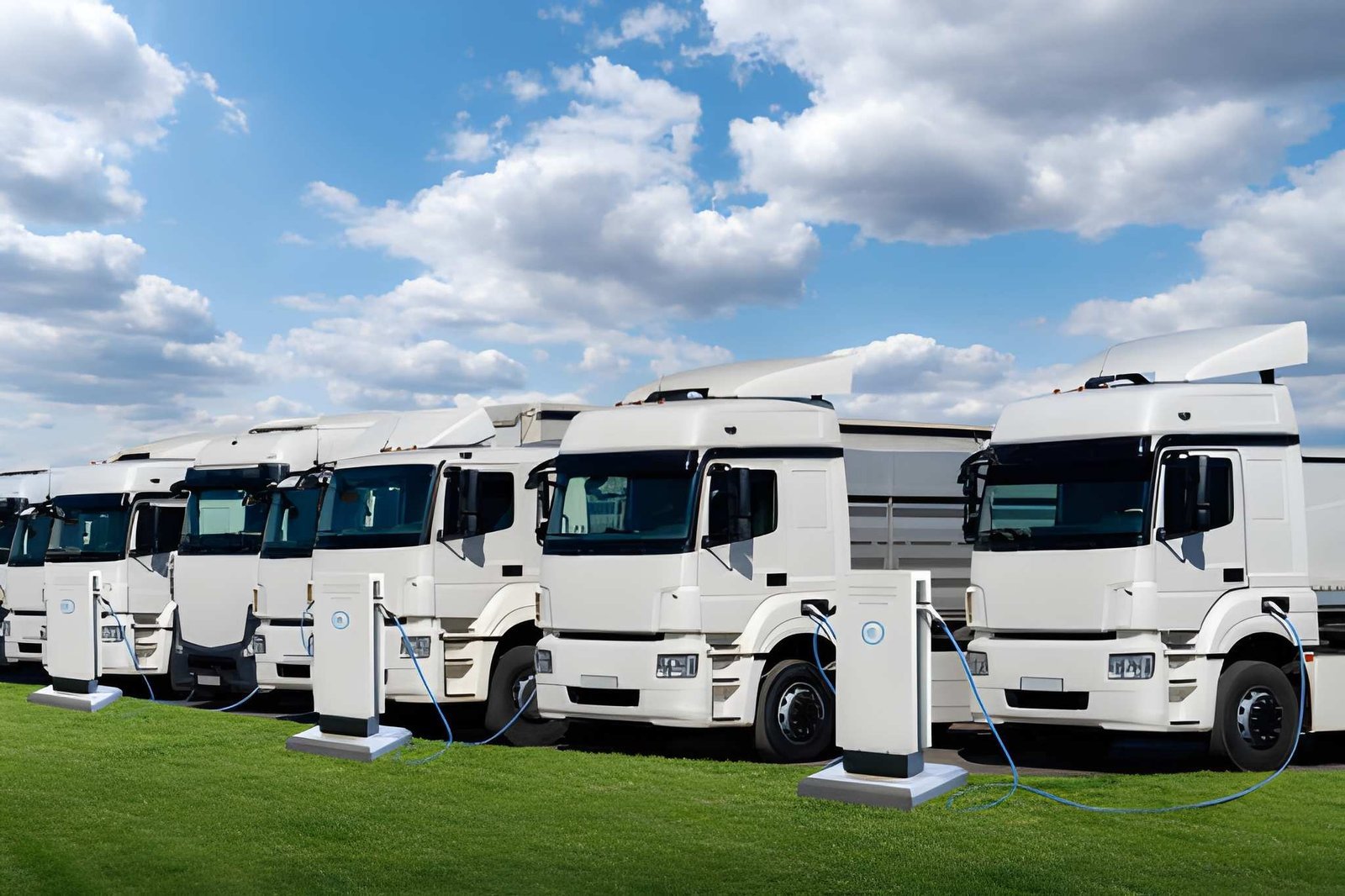
The attention of no other segment in the market is as enlisted as an electric semi-truck. These are the trucks that transport most cargo on trucks, and over the years, critics doubted whether battery technology would ever be capable of providing the range and payload of long-haul freight. That’s a getting difficult argument.
Today’s best electric semi-trucks are available in the range of more than 300 to 500 miles on a full charge, making them suitable for much of a typical commercial application. Energy density of batteries keeps growing and as the purpose-specific fast charging infrastructure targeting heavy-duty trucks continues to grow, the future of commercial EVs seems to have a moniker regards to heavy-duty vehicles.
Charging Infrastructure: The Make-or-Break Factor
A key issue regarding the potential for commercial electric trucks is whether the charging infrastructure will be sufficient to meet demand. In 2026: It is evolving but it’s not finished.
Progress is now being made here:
- Specialized truck charging stations are being constructed at distribution centers and key truck stops.
- The NEVI programme is speeding up investment in infrastructure on key interstate highways.
- Megawatt Charging Systems (MCS) are now arriving and significantly reducing charging time.
- The overnight depot charging scheme has already proven successful and cost effective in regional and local fleets.
- Commercial fleet charging-as-a-service models are attracting private investment.
The public charging sector will need further expansion going forward, in particular for long hauls and the funding is quite apparent.
Economic Benefits That Are Changing the Calculation
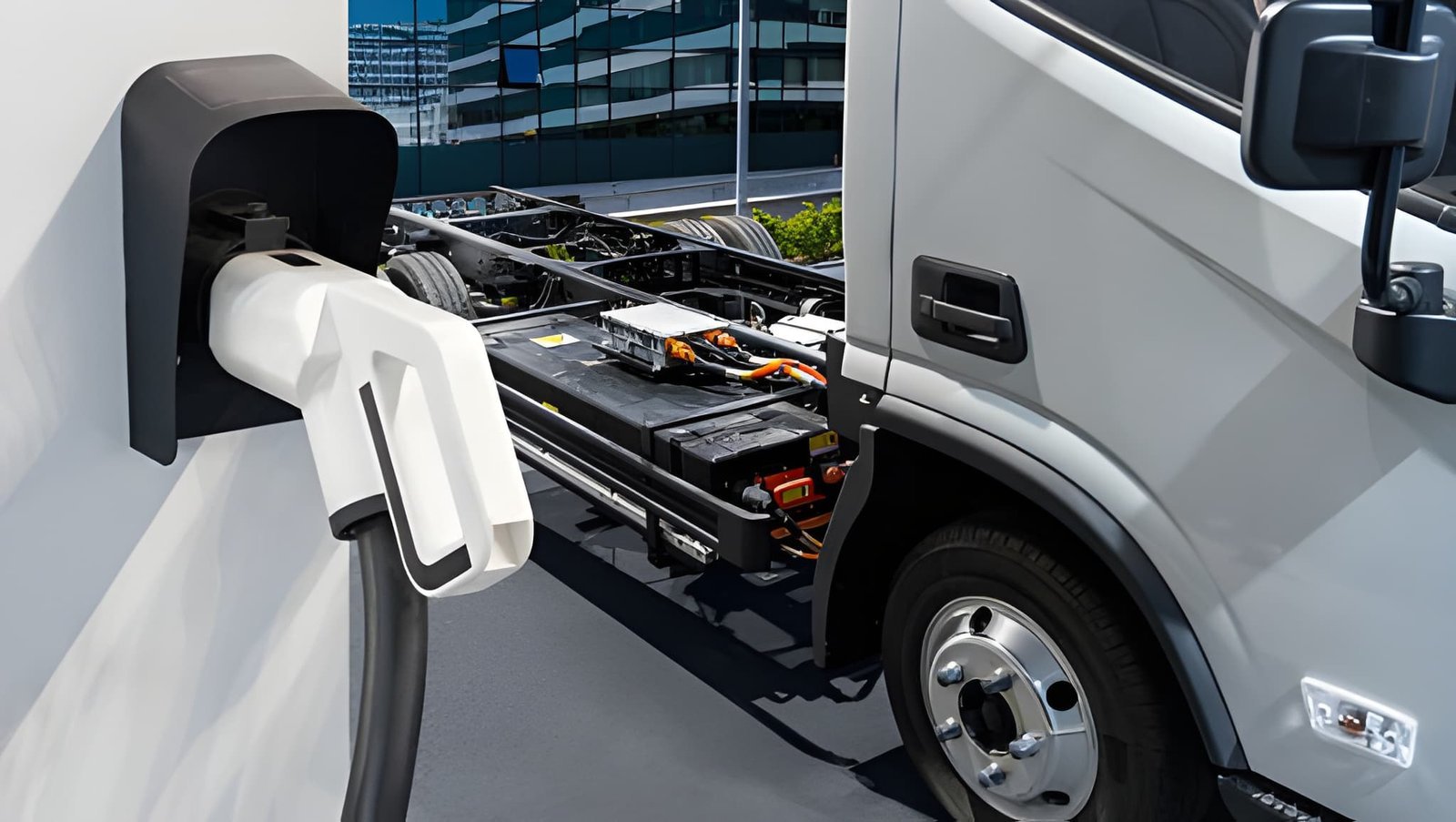
The biggest obstacle to adopting electric trucks has long been the up-front cost of these vehicles. There is no doubt the economic pendulum of electric trucking has swung in the opposite direction of the battery-filled vehicle. Environmental impact is not the only reason why electric trucks are the future.While the environmental factors are vital, electric trucks are also the future due to other factors related to their operation.
Advantages of the core financial include:
- Lower fuel costs – electricity is much cheaper, mile-by-mile, than diesel
- Lower service costs: no oil changes, fewer brake replacements since of regenerative braking and simpler drives since of oil less systems.
- Longer vehicle life span — EV moters allow fewer parts to wear out over time.
- Tax credits and/or government incentives that include reductions in initial purchase price
- Potential V2G (Vehicle to Grid) revenue from selling stored energy to the electrical grid at off-peak hours
The change to electric is becoming an easier financial decision, for high-mileage fleet operators that run trucks every day and rack up high fuel and maintenance costs.
Technology Innovations Driving the Electric Trucks Future
In addition to batteries and motors, an array of technology is transforming electric trucks into smarter and more efficient vehicles. As much as an electric truck is a hardware project, it’s also a software one to boot.
Key innovations currently shaping the industry:
- Route Optimization Software that predicts to optimize routes for maximizing range, reducing charging stops.
- Smart charging for trucks (V2G) that can sell the energy back to the grid and fund the company’s vehicle investment.Vehicle-to-grid (V2G) systems, which enable trucks to return the energy to the grid and earn revenue.
- Better telematics to provide live data to operators on battery health and energy consumption
- Partial autonomous driving technologies such as adaptive cruise control, lane keeping assist and automated breaking assist
- Predictive Maintenance solutions for large fleets powered by AI to minimise unexpected downtimes
Several other companies are working on fully electric, autonomous, and night-operating freight vehicles, which, while autonomous, will still require further regulation.
Environmental and Regulatory Tailwinds
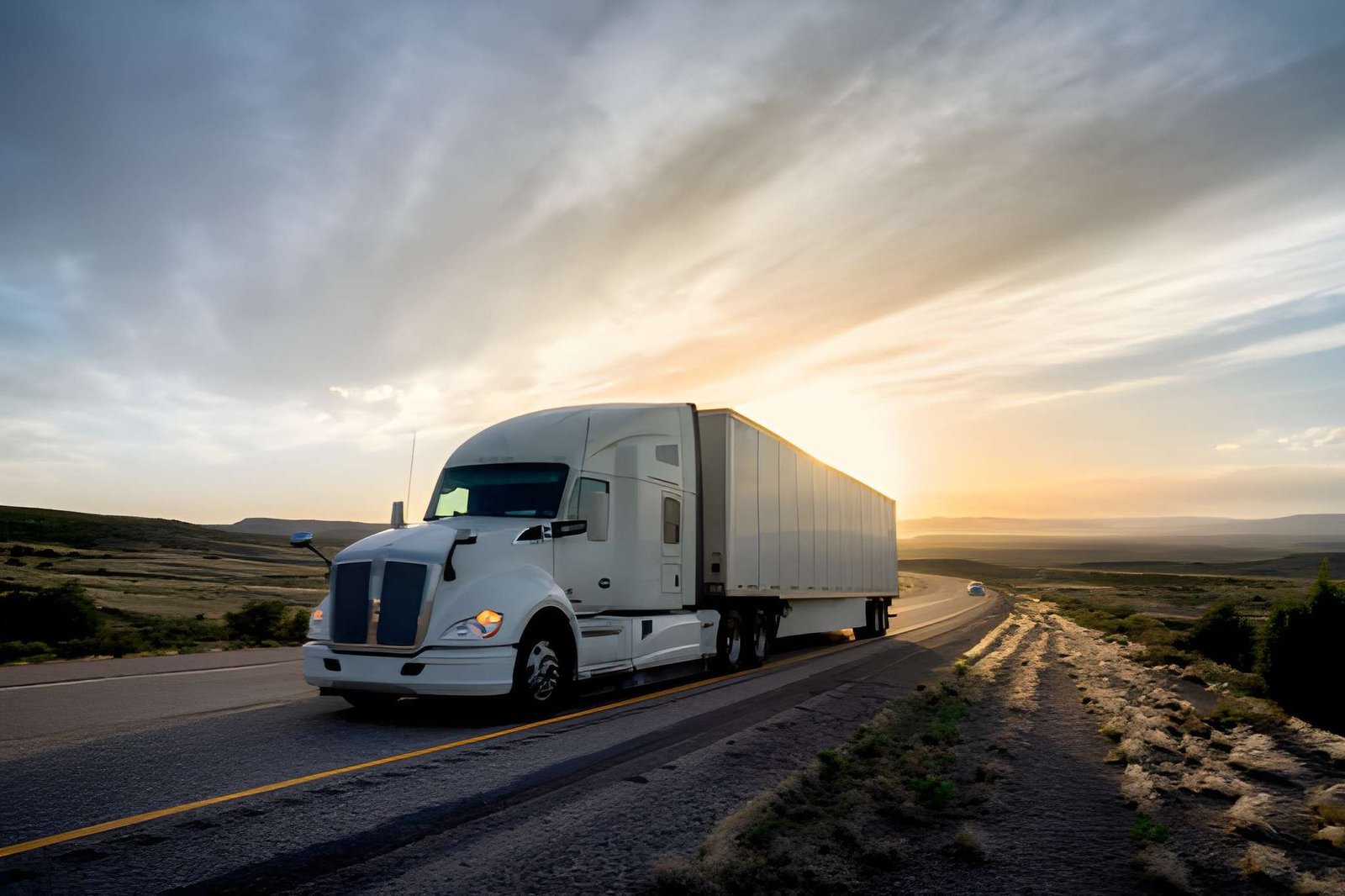
However, for the world, the shift towards electric trucks is far from market driven. There are more regulations to be followed and a shorter time profile. Policy, on equal footing with technology, is accelerating the future of electric trucks.
The following are some of the key regulatory changes for which you will need to be aware:
- The state of California’s Advanced Clean Trucks (ACT) regulation requires a growing share of sales of zero-emission trucks annually.The Advanced Clean Trucks (ACT) regulation applies to the state of California, which requires more zero-emission trucks to be sold each year.
- The European Union (EU) has established binding CO2 emissions limits for trucking industry heavy-duty vehicles by 2030 and later.European Union (EU) regulates CO2 emissions in the heavy-duty trucking industry with binding limits for 2030 and future.
- A number of major cities are banning the entry of diesel trucks to the city area completely.Several major cities are closing the gates to diesel trucks to urban cities completely.
- US EPA has set new greenhouse gas regulations for commercial vehicles.
- Small and mid-size fleets will be able to more easily make the switch to electric trucks as a result of state and federal purchase incentive offerings.
Given that the regulations will come into progressively tighter force within the next five to ten years, it is wise for companies to invest in forward-thinking infrastructure and expertise for e-fleet vehicles.
Challenges That Still Need to Be Solved
Finally, it would be unfair to state that going forward the commercial EV truck challenge is not present. It’s definitely moving forward and happening quickly, but there are sometimes “bump-thumps” involved.
Current obstacles include:
- Limits of range for ultra long-haul routes more than 500 miles in length traveling without charging stops
- A significant initial cost required in a single big investment in transitioning large diesel fleets at once.
- Few electric drivetrain specialists trained to work in this area.
- The distribution of charging stations to rural and remote areas is not evenly distributed across all regions
- Increased pressures on the battery supply chain for critical minerals, such as lithium and cobalt
Manufacturers, technology firms, infrastructure investors and politicians are all working to tackle each of these challenges, however. Where they’re going is not an issue, just how fast they get there.
Final Thoughts
The question isn’t whether electric trucks will become the norm, it’ll be when they will be? And for many uses, that day is now. The transformation of transportation is underway: the electric semi-truck has been introduced and is utilising established freight routes; the delivery van is running in the heart of the city and thereby reducing emissions.
Fleet operators, logistics managers, and enterprises reliant on freight transportation need to take a hard look at their approach to electric trucks for fleet operations in 2026. Companies that take action now — developing expertise, checking vehicles and forecasting charging infrastructure — will drive the nation into one of its greatest transportation overhauls.
FAQs
Q1. Where is the long haul trucking future of electric trucks going to go?
Thanks to 300-500+ mile ranges, electric semi-truck is making the long haul freight viable. Charging infrastructure will grow and battery costs will drop, and by 5 years out ELHT will be mainstream.
Q2. What is the range for electric semi-truck batteries?
The technology being adopted for gasoline-powered semi trucks today can achieve between 300 and 500 miles ranging a charge.Top gasoline-powered semi trucks are running 300 to 500 miles per charge today. As batteries improve their capacity, they are becoming more and more fit to transport commercial goods.
Q3. So, which is better: diesel trucks or electric trucks?So, what is cheaper: diesel trucks or electric trucks?
Yes. The operational cost reduction of electric trucks from fuel and maintenance costs is substantial. There are fewer moving parts, no oil changes required and lower electricity costs compared with diesel make total cost of ownership over the life of the vehicle very competitive.
Q4. Where are charging stations for commercial EV Trucks available?
Along freight corridors, dedicated truck charging hubs, depot charging stations and megawatt charging technologies are rapidly spreading. The NEVI is one of these government incentives supporting widespread network expansion in the United States.
Q5. What is the hourly time frame for the electric truck’s complete replacement for the diesel truck?
Adoption is quickening up, and full replacement will take decades. Electric trucks are expected to outcompete their gas and diesel rivals in most markets well before 2035, thanks to regulatory, cost and other factors, and a variety of factors related to technology.
About Author:

Leave a Reply