



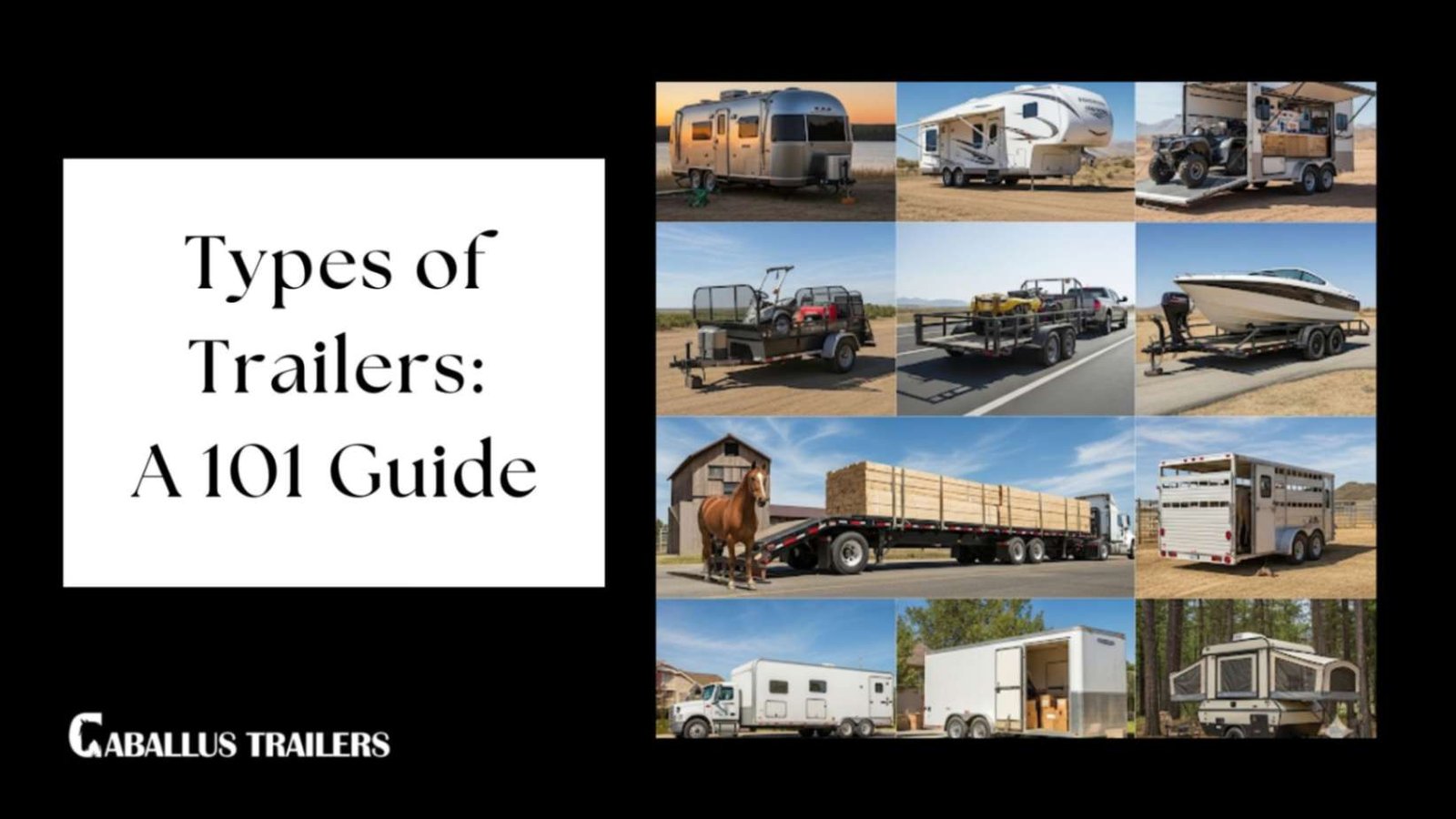
Let me ask you a question…what do you understand from a trailer? Let me guess! that big boxy truck cruising down the highway. Simple, right? But it is not as simple as you thought; there are different types of trailers you might not even have heard of.
Some are perfect for hauling groceries to your local store. Others are designed to carry cars across long distances. Some are built for transporting liquids like fuel or milk. And believe it or not, some trailers aren’t for cargo at all, they’re meant for living in.
So if you’ve ever caught yourself asking, “How many types of trailers are there?” or wondered, “Which trailer is the best fit for my business or my freight?” this guide is for you.
We’re going to break down the world of trailers in plain, simple terms. No confusing jargon, no overcomplication. Just a clear look at the types of trailers used in trucking, logistics, and beyond – plus how to figure out which one makes the most sense for your needs.
By the time you’re done reading, you’ll know exactly how to compare, choose, and confidently understand the right trailer for the job.
Trailer Basics: Size, Weight & What to Look For
Before diving into the categories, let’s talk about the basics that apply to almost every trailer.
1. Dimensions
Most trailers in logistics fall into these ranges:
- Length: 20–53 feet
- Width: 8–8.5 feet
- Height: 8–13.5 feet
These dimensions can vary depending on whether you’re hauling freight in the U.S., Canada, or internationally. For example, trailers in Canada often follow similar size limits but can sometimes run slightly taller or longer on certain roads. Always check regional regulations.
2. Weight Capacity
- Cargo weight: 44,000–50,000 pounds (for most truckload trailers)
- Gross weight limit: 80,000 pounds (including tractor + trailer + cargo, per U.S. federal law)
If your freight is heavy, weight matters more than space. If your freight is light but bulky (like toilet paper or furniture), volume and height are more important.
3. Key Features to Compare
When looking at trailer specs, don’t just stop at size and weight. Think about:
- Axles & suspension – More axles = more load capacity. Suspension type (air ride vs. spring) affects stability and ride smoothness.
- Doors & access – Swing doors, roll-up doors, side access, or open tops.
- Floor type – Wood, aluminum, or composite. Impacts durability and weight.
- Hitches & connectors – Bumper pull, gooseneck, or fifth wheel. These affect what truck you can use.
- Brakes – Electric vs. hydraulic brakes matter for safety and maintenance.
- Special add-ons – Lift gates, vents, refrigeration, or insulation.
Pro tip: Always think about what you’re hauling first. The right trailer is the one that matches your freight – not just the biggest or cheapest option.
Main Types of Trailers in Trucking & Logistics
Let’s walk through the most common trailer types used in freight, logistics, and trucking.
1. Cargo Trailers
Overview: Cargo trailers, also called enclosed trailers, are fully covered units that protect your load from rain, wind, and theft.
Features:
- Weatherproof body with steel or aluminum frame.
- Lockable rear swing or ramp doors.
- Optional side doors for quick access.
- Ventilation systems to prevent moisture build-up.
Sizes Available:
- Small: 4×6 to 6×10 ft (ideal for tools or event gear).
- Medium: 7×14 to 8.5×16 ft (for moving household goods or equipment).
- Large: 8.5×20+ ft (for commercial transport or large inventories).
Best For: Small businesses, moving companies, contractors, and anyone needing secure and weatherproof storage on wheels.
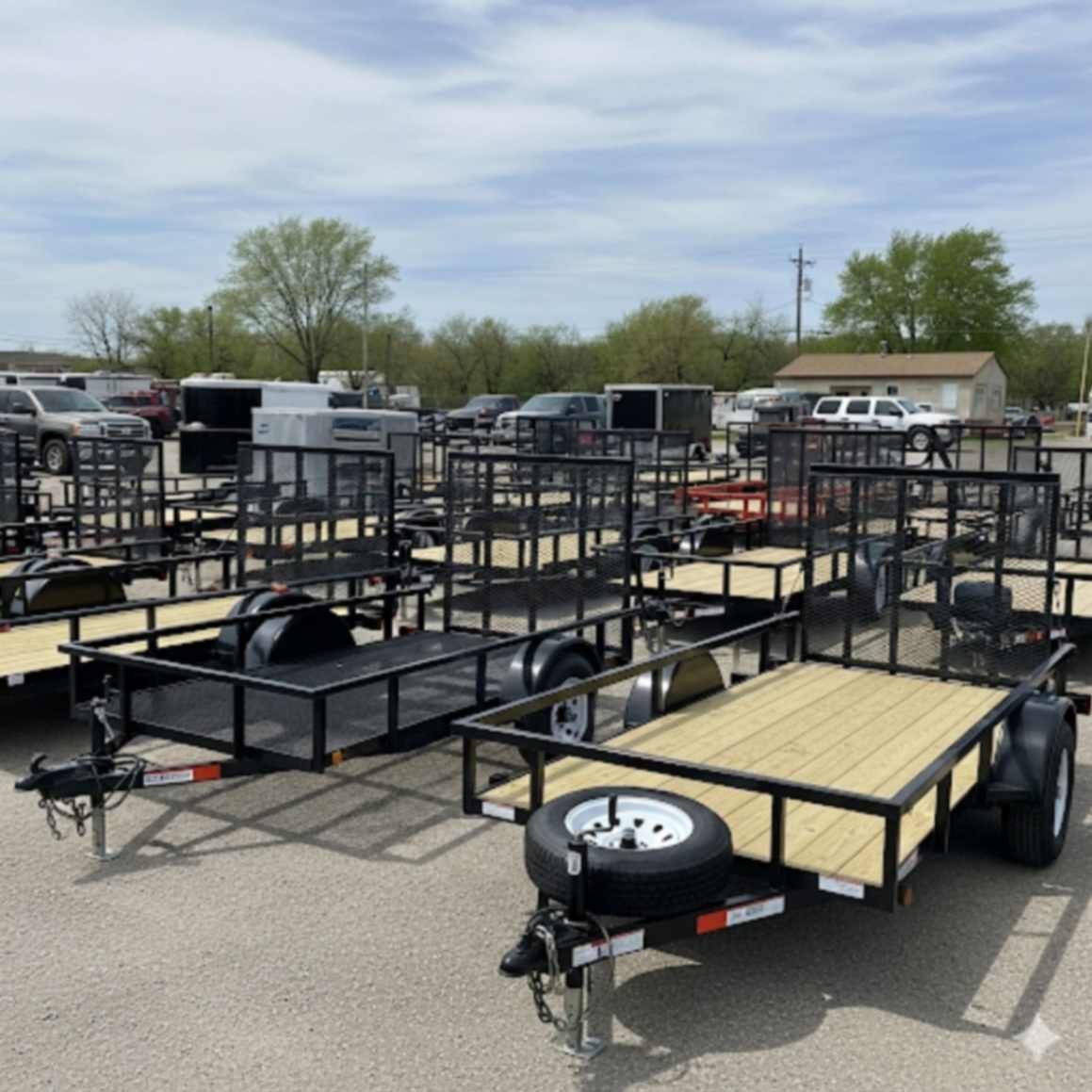
2. Utility Trailers
Overview: Open, lightweight trailers built for everyday hauling needs.
Features:
- Open deck with railings or no sides.
- Ramp gate or removable tailgate for easy loading.
- Lightweight design for towing with smaller vehicles.
Sizes Available:
- Compact: 4×6 ft (for ATVs, lawnmowers, or garden supplies).
- Standard: 5×10 to 6×12 ft (common for homeowners).
- Large: 7×16 ft (for bigger landscaping or light construction jobs).
Best For: Homeowners, landscapers, and small businesses needing a cost-effective hauling solution.
3. Dump Trailers
Overview: Dump Trailers with a hydraulic lift system that tilts the bed to unload materials quickly.
Features:
- Dual- or scissor-lift hydraulics.
- Heavy-duty steel construction.
- Side walls for holding bulk materials.
- Electric or manual tarp systems to secure loads.
Sizes Available:
- Small: 5×8 ft (residential projects).
- Mid-size: 6×12 ft (landscaping and farming).
- Large: 7×14 to 7×20 ft (construction and heavy hauling).
Best For: Construction crews, landscapers, farmers, and anyone moving gravel, soil, mulch, debris, or demolition waste.
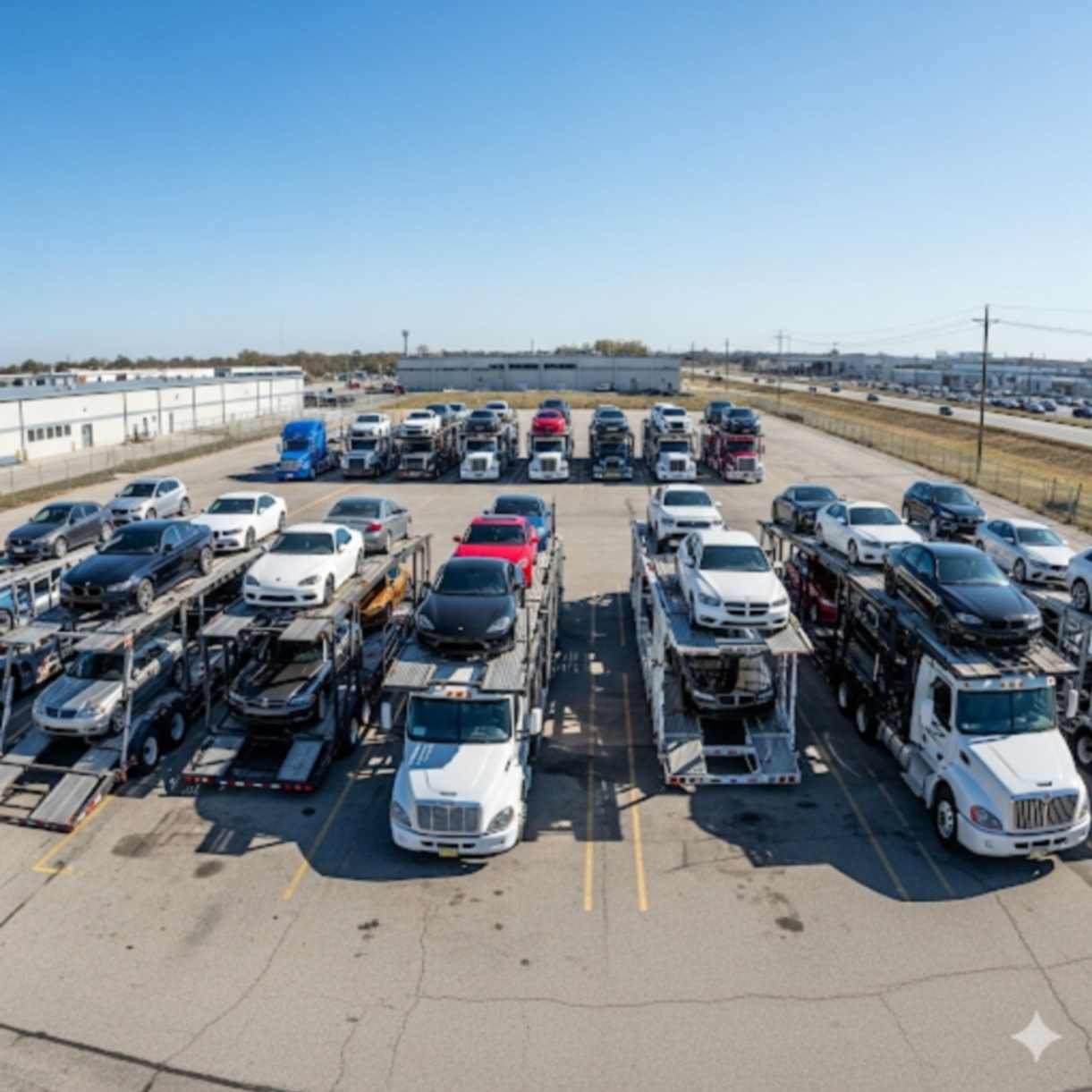
4. Car Hauler Trailers
Overview: Designed for safe transport of vehicles, available in open or enclosed versions.
Features:
- Ramps or tilt decks for loading.
- Tie-down points and wheel chocks for stability.
- Tandem axles for heavy loads.
- Enclosed options provide protection from weather.
Sizes Available:
- Standard: 7×16 ft (small cars, ATVs, motorcycles).
- Common: 8.5×18 to 8.5×20 ft (sedans, SUVs).
- Large: 8.5×24+ ft (multiple vehicles or larger trucks).
Best For: Car dealerships, auto shops, collectors, and moving vehicles long distances.
5. Flatbed Trailers
Overview: Flatbed trailers with no sides or roof, providing maximum space.
Features:
- Strong steel or aluminum deck.
- Easy side loading with forklifts or cranes.
- Can transport oversized loads not fitting in enclosed trailers.
Sizes Available:
- Small: 7×12 ft (general use).
- Large: 8.5×40 ft gooseneck flatbeds (commercial hauling).
Best For: Transporting lumber, steel, machinery, pipes, or oversized construction equipment.
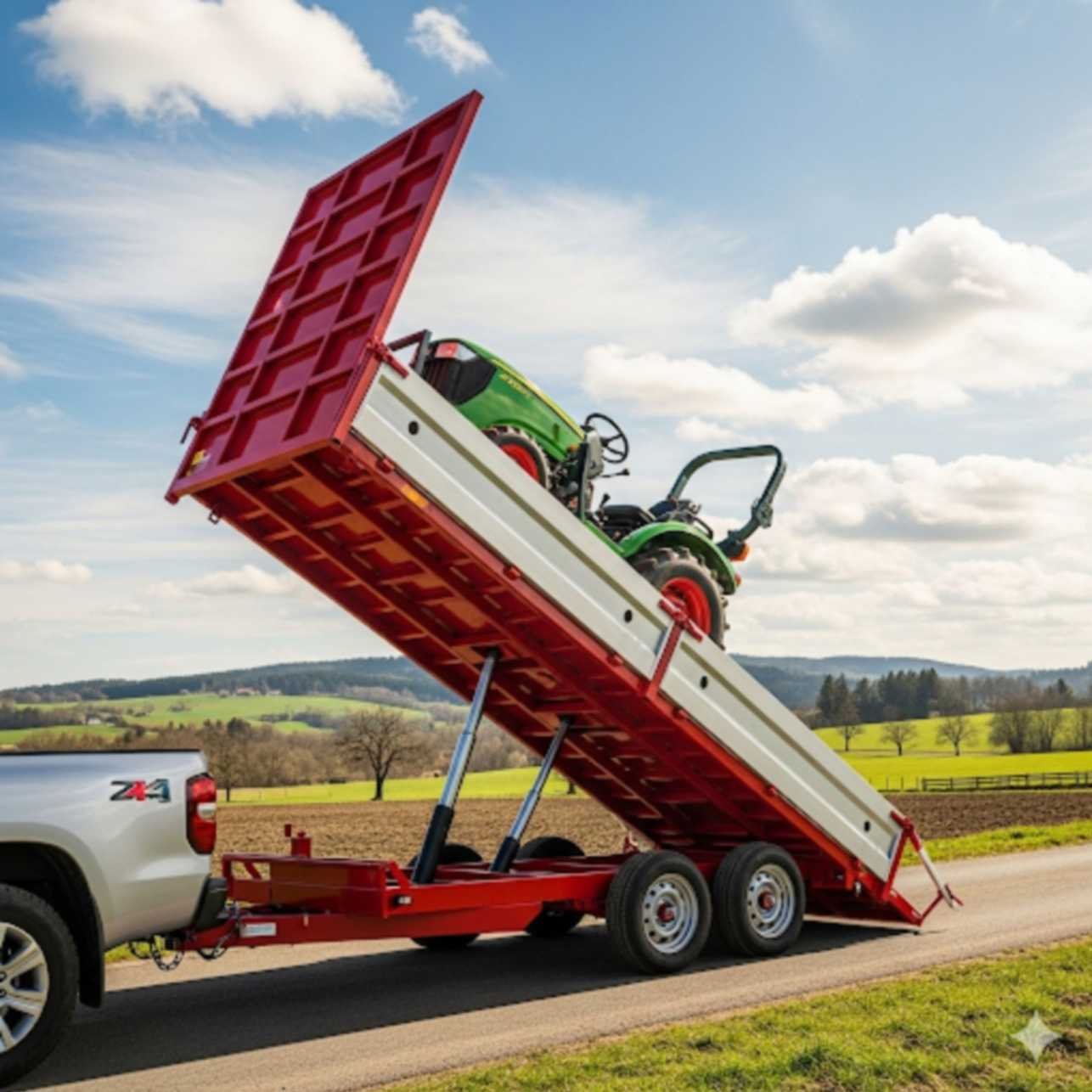
6. Tilt Trailers
Overview: A flatbed trailer where the deck tilts hydraulically or manually for loading equipment without ramps.
Features:
- Tilt bed design for easy loading of wheeled equipment.
- Heavy-duty axles for machinery weight.
- Non-slip surface for safe transport.
Sizes Available:
- 6×12 ft (ATVs, small tractors).
- 7×18 ft (compact construction machinery).
- 8.5×24 ft (industrial-grade hauling).
Best For: Contractors, farmers, landscapers, and anyone needing to load tractors, skid steers, or heavy equipment easily.
7. Gooseneck Trailers
Overview: Heavy-duty trailers that attach to a ball hitch inside a pickup truck bed, offering greater stability than bumper-pull trailers.
Features:
- High weight capacity.
- Excellent stability for highway towing.
- Can be flatbed, enclosed, or specialty-built.
Sizes Available:
- Standard: 8.5×20 ft.
- Large: 8.5×40 ft+ (industrial and agricultural use).
Best For: Farmers, construction companies, and industries needing maximum hauling capacity with enhanced control.
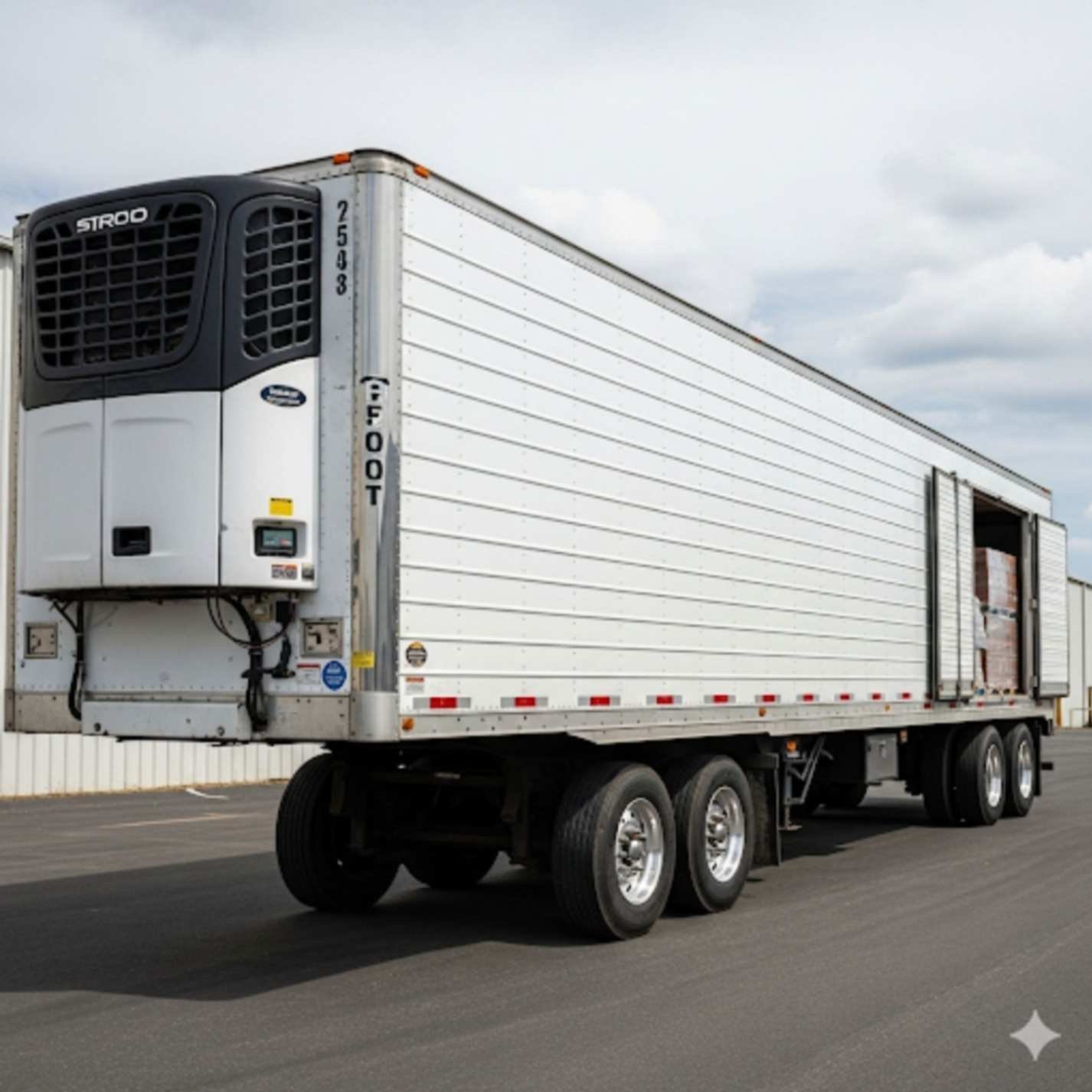
8. Refrigerated Trailers (Reefers)
Overview: Enclosed trailers with built-in cooling units for transporting perishable goods.
Features:
- Temperature-controlled interior.
- Insulated walls and flooring.
- Diesel or electric refrigeration units.
Sizes Available:
- Small: 8×12 ft (catering or floral businesses).
- Medium: 8.5×20 ft (local food delivery).
- Large: 48–53 ft (long-haul trucking).
Best For: Food suppliers, restaurants, florists, and pharmaceutical companies needing temperature-sensitive transportation.
9. Specialty Trailers
Overview: Customized trailers built for specific industries and hobbies.
Examples & Features:
- Livestock trailers: Ventilated, non-slip flooring, gates, and feeding areas.
- Motorcycle trailers: Compact, enclosed, with tie-down points.
- Toy haulers: Combination of cargo space and living quarters.
- Boat trailers: Adjustable bunks, rollers, and corrosion-resistant material.
Sizes Available: Varies depending on the specialty use.
Best For: Farmers, sports enthusiasts, adventurers, and niche businesses.
Other Trailer Categories Beyond Freight
Not all trailers are for commercial freight. Some are for personal or lifestyle use.
- Types of trailers for cars – Car haulers, open or enclosed.
- Types of trailer homes – Mobile homes, manufactured housing.
- Types of trailers for living – RVs, campers, travel trailers.
These may not move freight, but they’re still part of the trailer family.
Trailer Components You Should Understand
When comparing different types of trailers, don’t forget the small but critical parts:
- Types of trailer hitches: bumper pull, gooseneck, fifth wheel.
- Types of trailer plugs & connectors: 4-pin, 7-pin wiring.
- Types of trailer brakes: electric vs. surge/hydraulic.
- Types of trailer tongues: straight, A-frame, adjustable.
- Types of trailer suspension: spring vs. air ride.
These components decide what truck you need, how safely you can haul, and what cargo you can handle.
How to Choose the Right Trailer for You
Here’s a simple step-by-step way to decide:
- Define your cargo – Is it dry goods, frozen, liquid, or oversized?
- Check weight & volume – How heavy and how bulky is it?
- Think about distance – Short local trips vs. cross-country runs.
- Match the right features – Reefer for cold freight, lift gates for city drops, open tops for oversized.
- Factor in regulations – Some states/provinces restrict trailer size or weight.
- Consider future needs – Will you haul the same type of freight long-term?
Pro tip: Don’t choose based only on cost. The wrong trailer can cause delays, fines, or damaged freight – costing way more in the long run.
Future Trends in Trailer Equipment
The trailer world is evolving fast:
- Smart trailers with GPS and telematics for real-time monitoring.
- Eco-friendly designs using lightweight composites and aerodynamic shapes.
- Electric reefers to reduce fuel use.
- Advanced suspension systems that improve fuel efficiency and safety.
Expect the next generation of trailers to be smarter, greener, and more efficient.
Conclusion
Now you know the main types of trailers – from dry vans and reefers to tankers and car haulers. Each has its own job, strengths, and limitations. The best trailer for you depends on your cargo, route, and needs.
Trailers may look like simple boxes on wheels, but when you dive into the details, you see how much thought goes into matching the right load with the right equipment.
FAQs
Q1. Is there any possibility to load various types of cargo into one trailer?
Yes, but provided it falls within the design and weight capacity of the trailer. For instance, a flatbed will be able to transport machinery or lumber, but not temperature-sensitive items. The right trailer means less damage, delays and safety risks.
Q2. Why are some businesses opting to use enclosed cargo trailers over utility trailers?
Cargo trailers are great for valuable equipment and inventory, as they are enclosed to keep them safe from the elements, dust and thieves. Utility trailers are cheaper, but function best for materials that do not need protection from the elements or security.
Q3. How do trailer hitch types affect towing performance?
The hitch determines the towability, weight capacity and vehicle compatibility. The bumper-pull hitch is widely used for lighter trailers and everyday use, the gooseneck hitch is more suitable for heavier loads and offers better control, and the fifth-wheel hitch is best suited for heavier loads and more control.
Q4. If your cargo is bulky and light, what should you do?
If you’re dealing with ‘bulky but light’ cargo, then it’s volume that matters more than capacity. For transporting larger loads, high-capacity enclosed trailers or dry vans offer greater usable space. They allow you to load in accordance with weight restrictions while saving space.
Q5. How can choosing the wrong trailer increase operating costs?
Improperly using the wrong trailer can result in damage to the cargo, loading inefficiencies, increased fuel consumption, fines and/or unnecessary maintenance. This will ensure that the trailer is matched with the cargo and the route, which will contribute to efficiency and save on long-term transportation costs.
About Author:

Leave a Reply